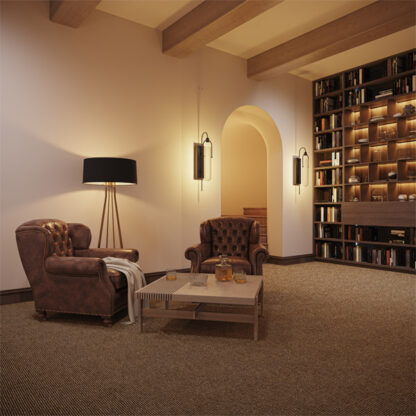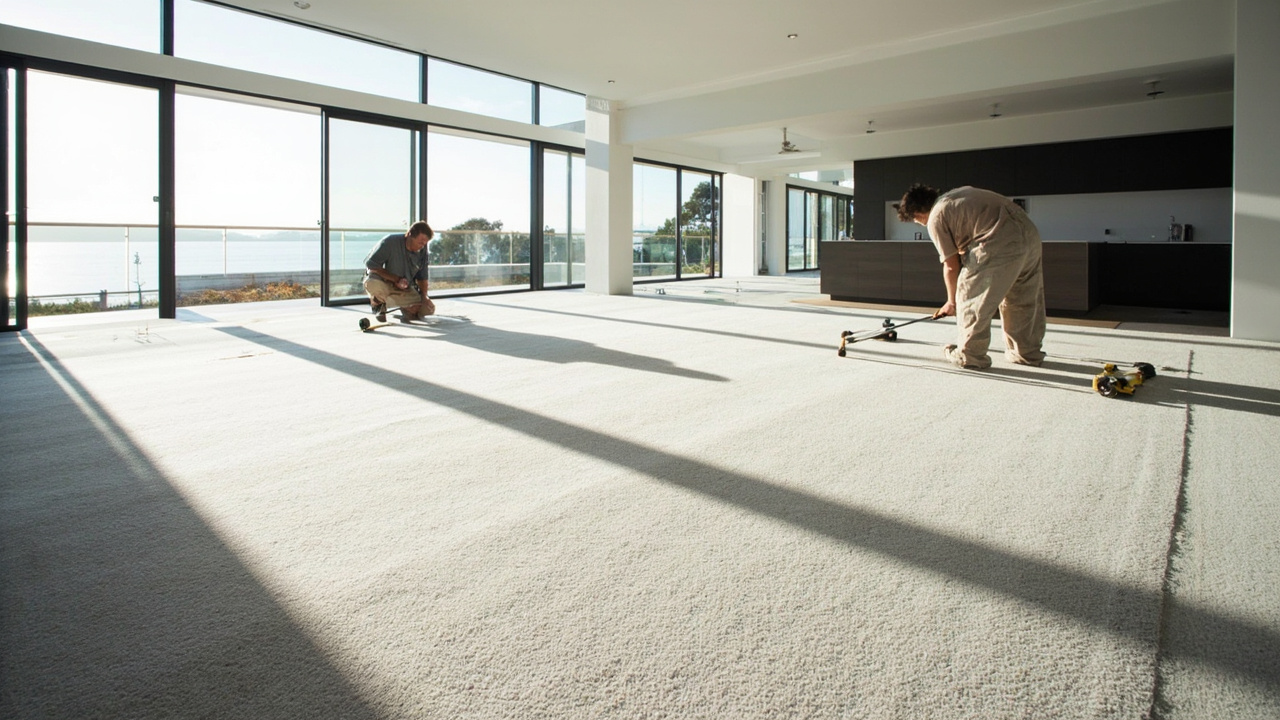

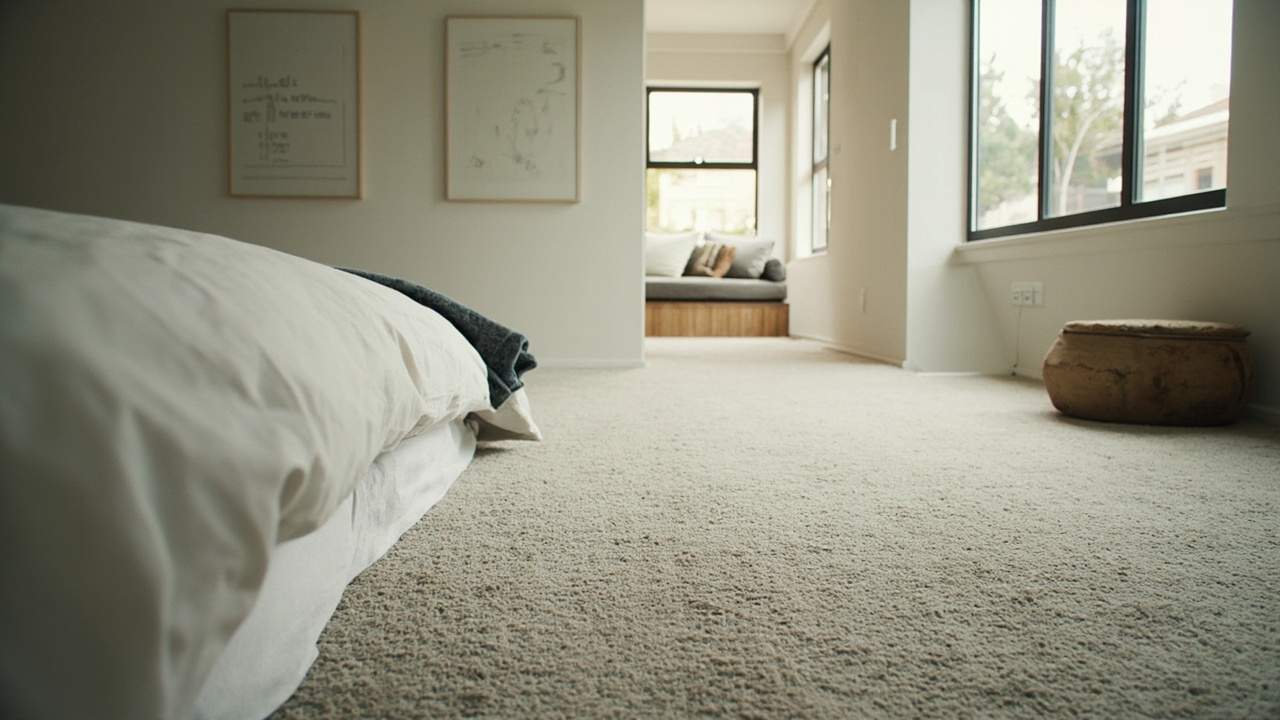
Carpet can soften reflections and reduce the sound of footsteps, but it will not soundproof a room. Soundproofing means limiting sound passing through walls, floors, ceilings, doors and windows, which usually requires building measures such as sealing gaps or adding suitable insulation and construction layers. For a music room, carpet and underlay mainly help with sound within the room: they absorb some reflected sound and reduce impact noise from walking. The result depends on the carpet’s density and pile, the underlay, how much floor is covered, and the room’s shape and furnishings. Curtains, upholstered furniture and acoustic panels can also help manage reflections, though they serve different purposes from blocking sound transfer. If you play amplified music or need to limit noise reaching neighbours, consider the walls, ceiling, doors and any shared floors as well as the carpet. A carpet and underlay choice should suit the floor construction and intended use. For a practical starting point, identify whether your main concern is echo inside the room, footsteps, or music travelling outside it, then plan the treatment around that specific problem.