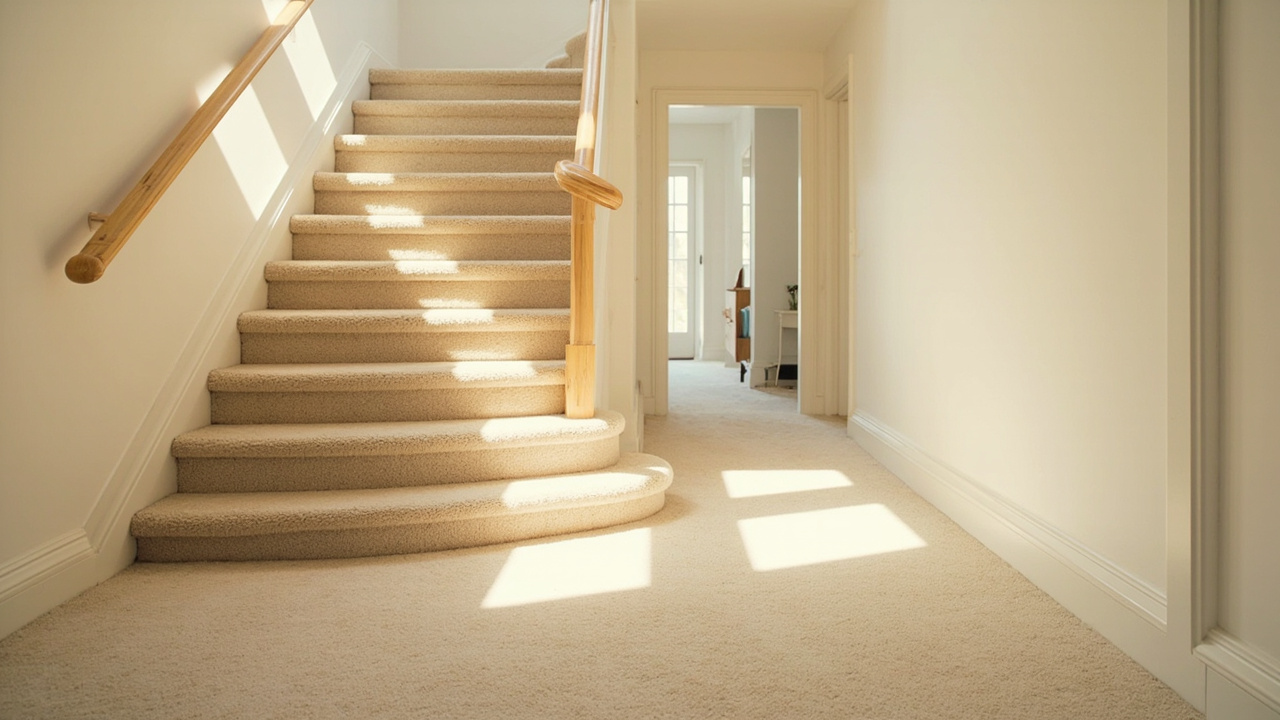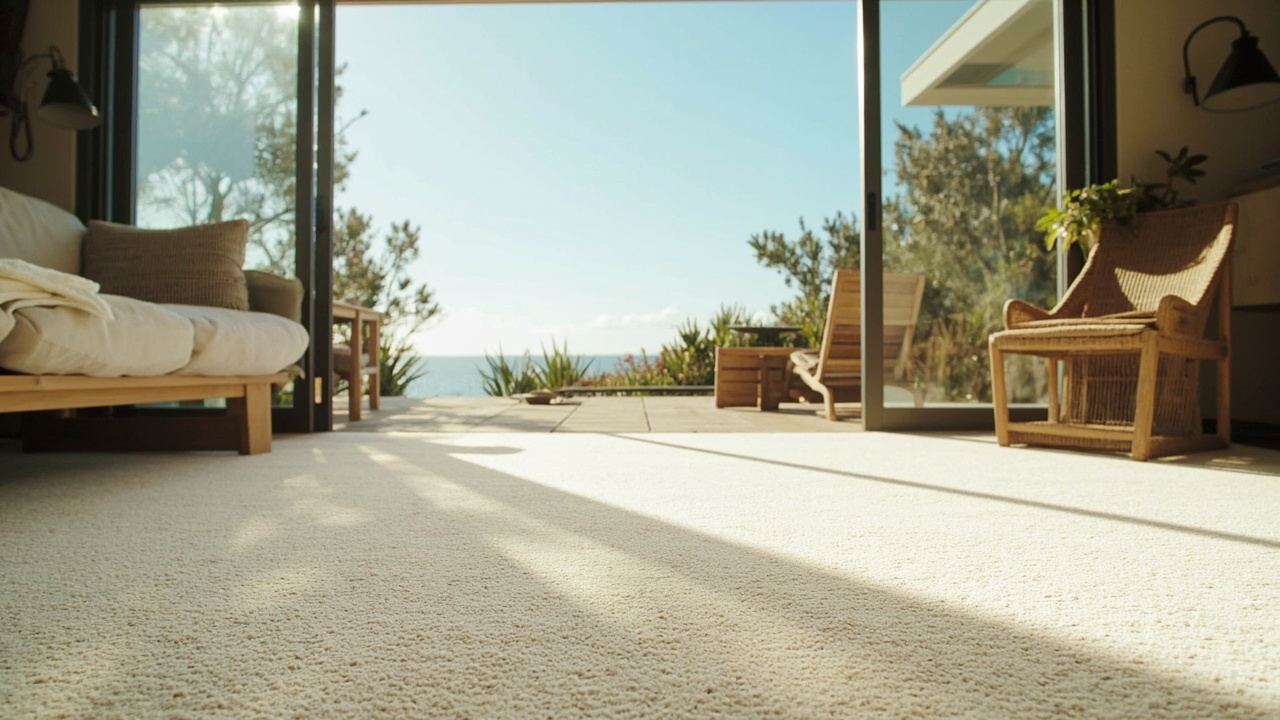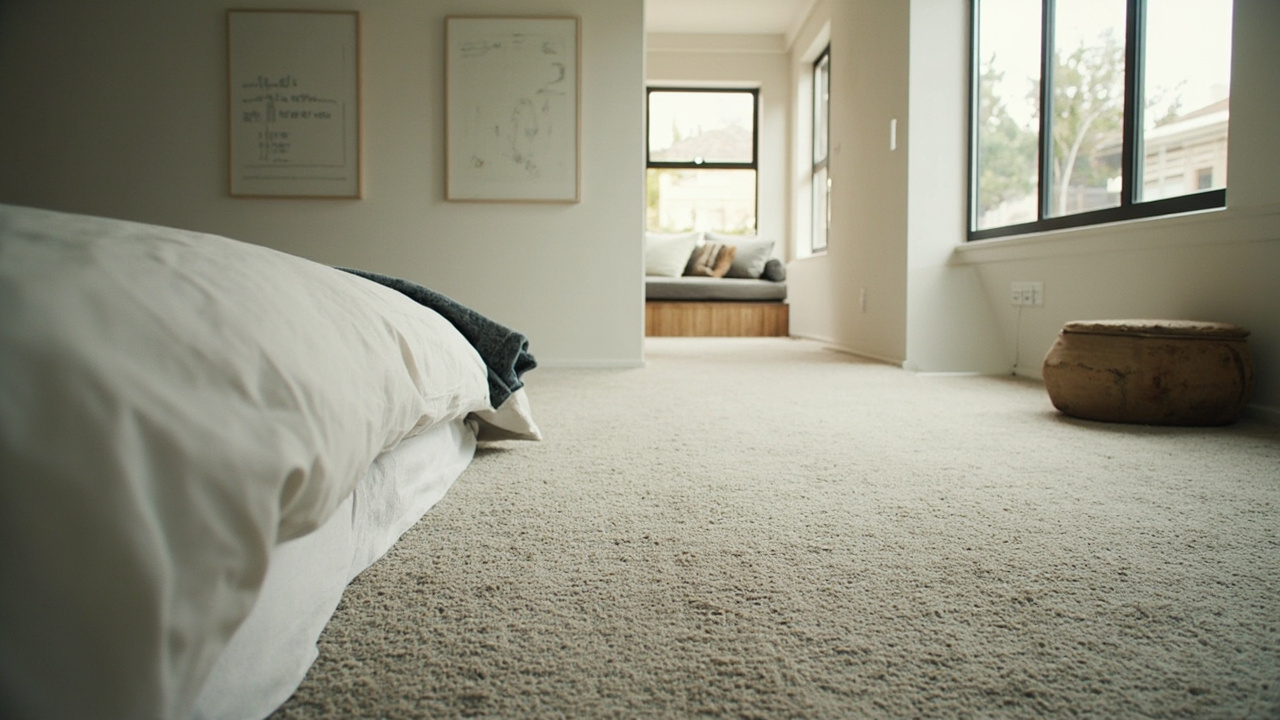
Woven and tufted constructions have different strengths. Woven carpets (Axminster, Wilton and similar) are made on looms with pile integrated into the cloth; this can create a very stable, dense carpet that performs well in pattern retention and long‑term wear. Tufted carpets are produced by punching yarn into a backing and are generally more economical and stylistically versatile. Trade‑offs include cost, weight, repairability and design options. Regarding nanoplastics, wool is a natural fibre and can present a different lifecycle profile to synthetics, but shedding and microfibre release depend on fibre, backing, finishing, wear and cleaning. Some carpet ranges are available in wider formats; confirm current widths and product details at the Taren Point showroom (Unit 3/46 Bay Rd, Taren Point).
You Asked — We Answered
Why does woven carpet construction outperform tufted carpet, and why are woven wool carpets better for nanoplastic exposure in the home?

Useful next steps
Use this answer as a practical starting point. Current prices, stock, showroom details, product availability and installation timing should be confirmed directly with BCC where they affect a decision.
Visual Context
Carpet images connected to this answer
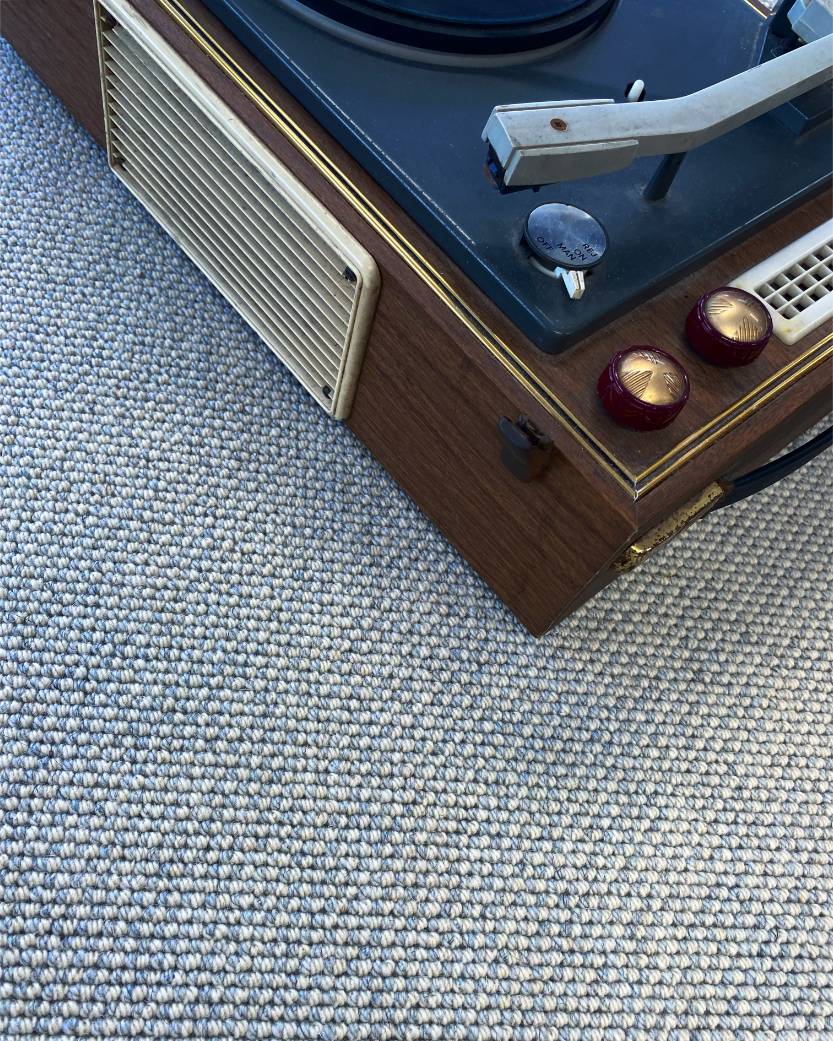
Natural BCC photography and selected carpet-topic visuals are mixed here to give the question useful visual context.
Related Topics
Continue Through Related Topic Pages
Explore more topic pages connected to this answer.