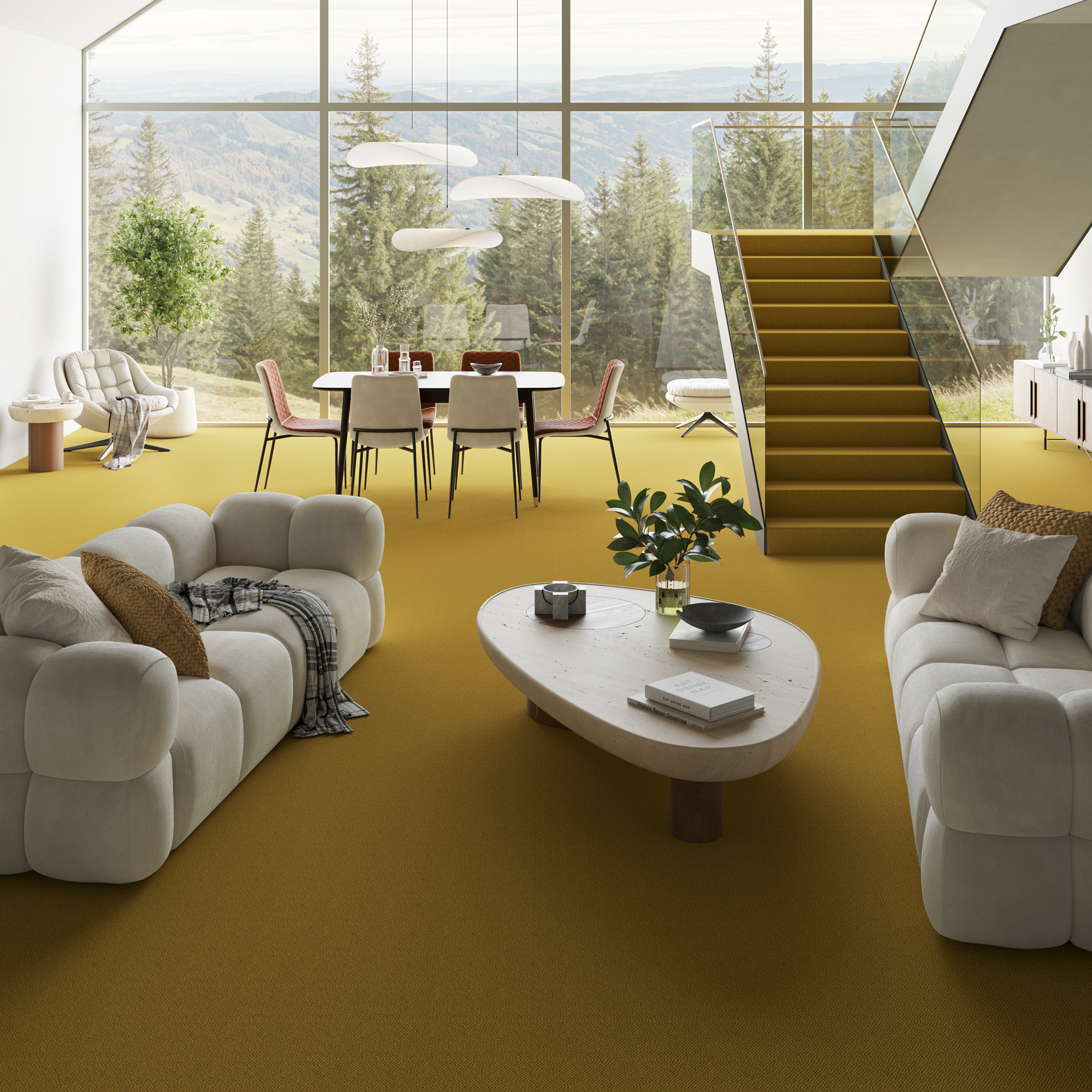
For an open-plan kitchen and living area, consider where spills, moisture and heavy traffic are most likely, then choose flooring that suits each zone and the way the spaces connect. A hard surface such as LVT or tile is often practical in the kitchen because it is resilient and straightforward to clean. Carpet can add warmth and softness in a separate living zone, but it is better kept away from routine splashes and wet areas. Check the transition between materials: floor heights, thresholds, edges and the visual relationship between colours and textures all affect the finished result. If you prefer one continuous floor, compare options for moisture resistance, cleaning and underfoot comfort across the whole space rather than choosing by appearance alone. Bring room measurements and photos of adjoining finishes when comparing samples, and confirm the chosen products’ suitability and installation details before making a decision.