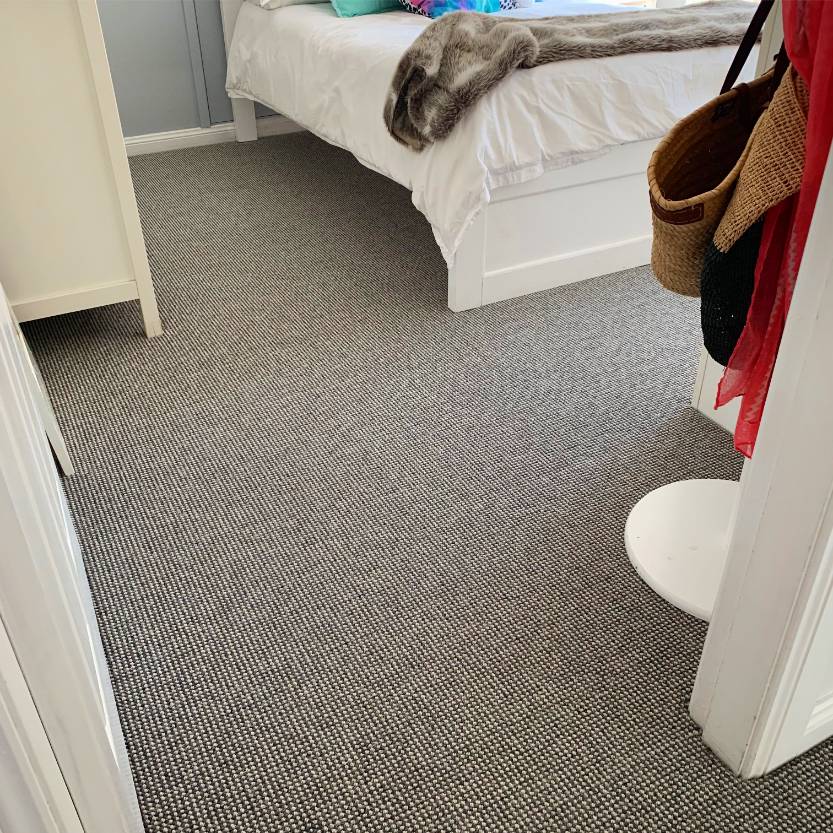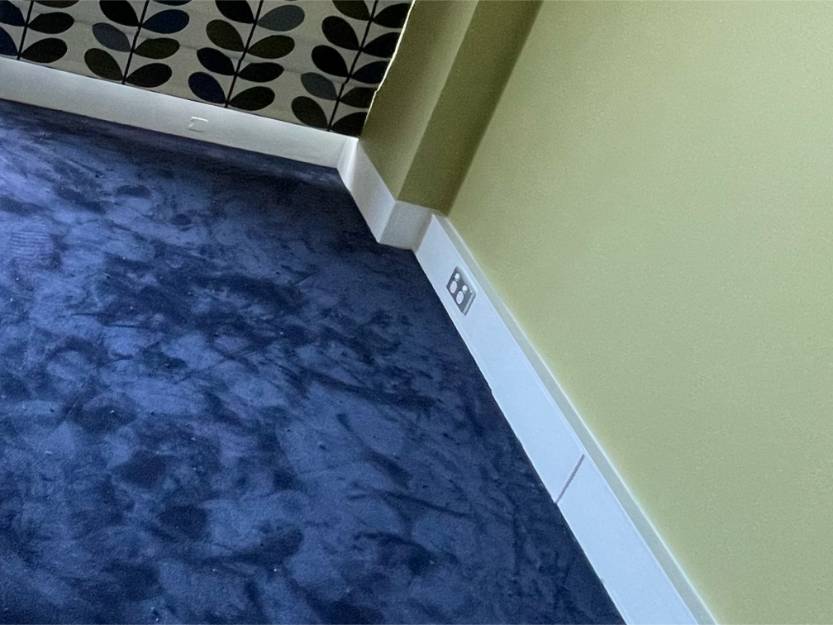
For a music room, consider a dense, low-to-mid pile carpet rather than a very deep or shaggy surface. It can soften footsteps and reduce some room reverberation while giving equipment a more stable surface to roll or stand on. The best balance depends on the equipment: wheeled stands and cases may move more easily over a low, firm pile, while heavy amplifiers can leave indentations if their weight is concentrated on small feet. Protective cups or pads can spread that load, but check that they are suitable for the carpet and equipment. Underlay also affects comfort and sound, but an especially soft combination may feel less stable under equipment. Acoustic performance is not determined by carpet alone; curtains, furnishings and absorptive panels can help manage reflections, and carpet will not soundproof a room. If possible, compare carpet and underlay samples with a small piece of the equipment or a representative furniture leg. Consider how often you move gear, whether it has wheels, and whether the room is used for recording or mainly listening before choosing.