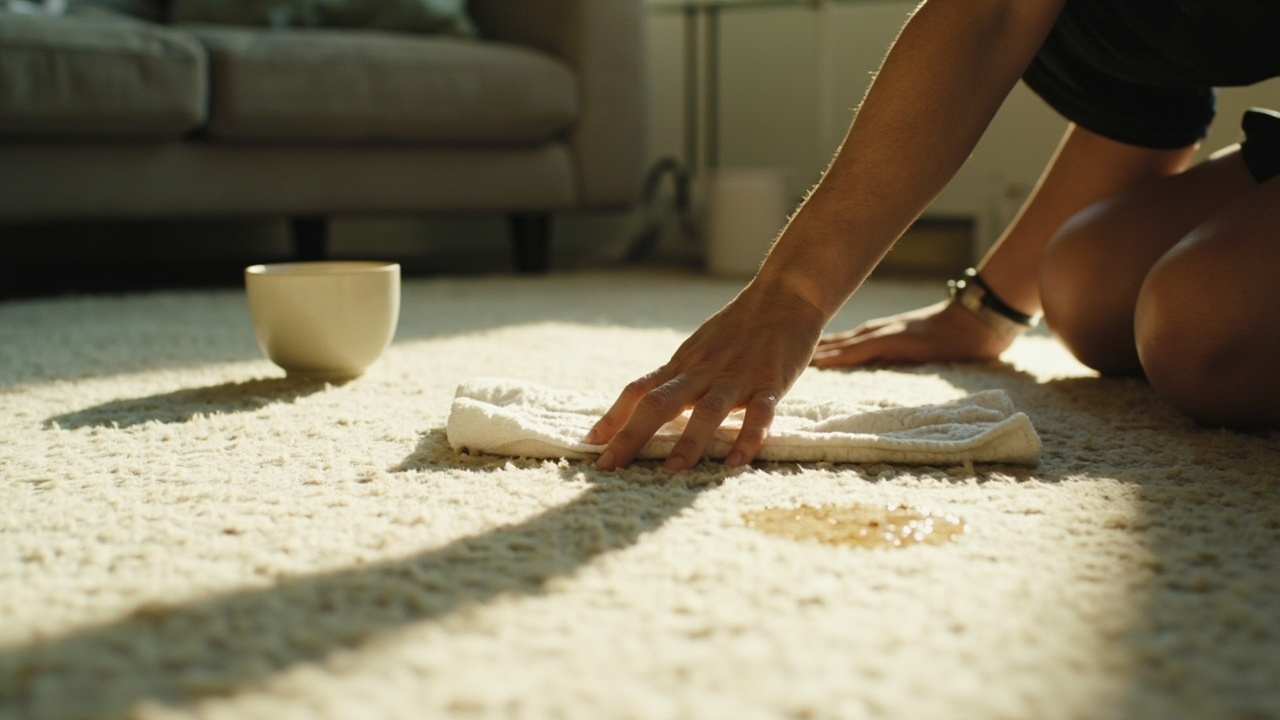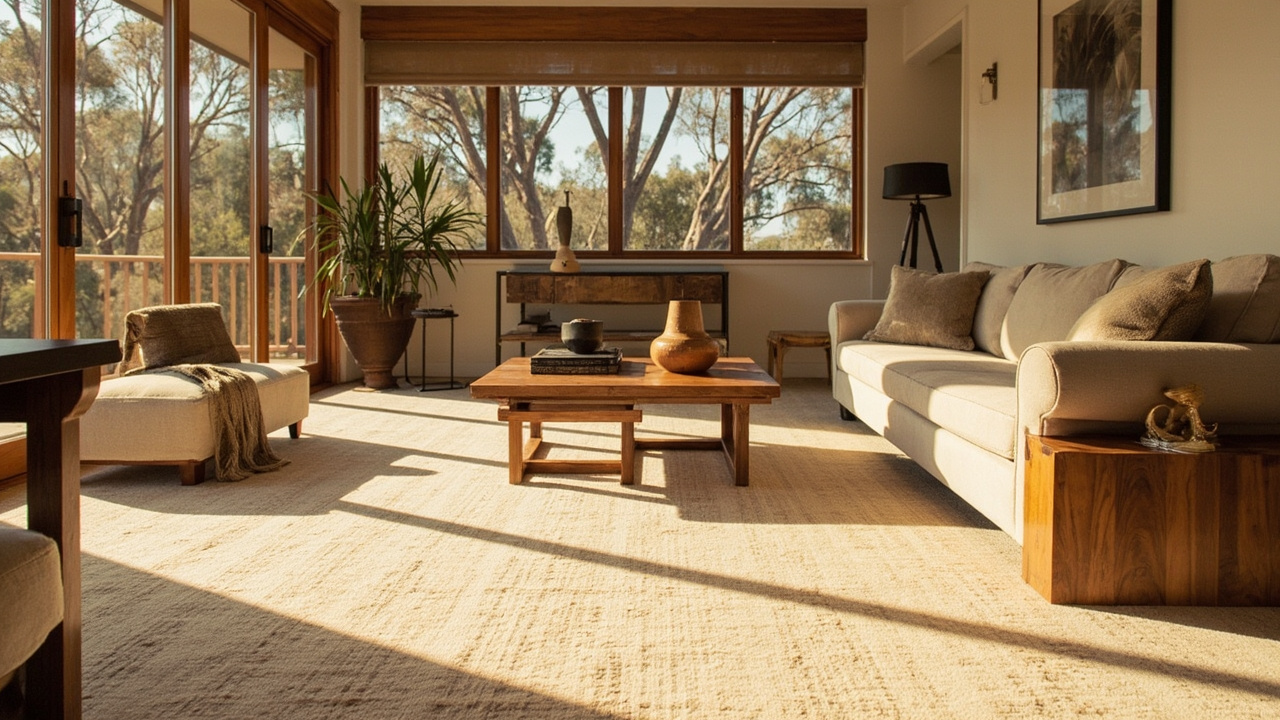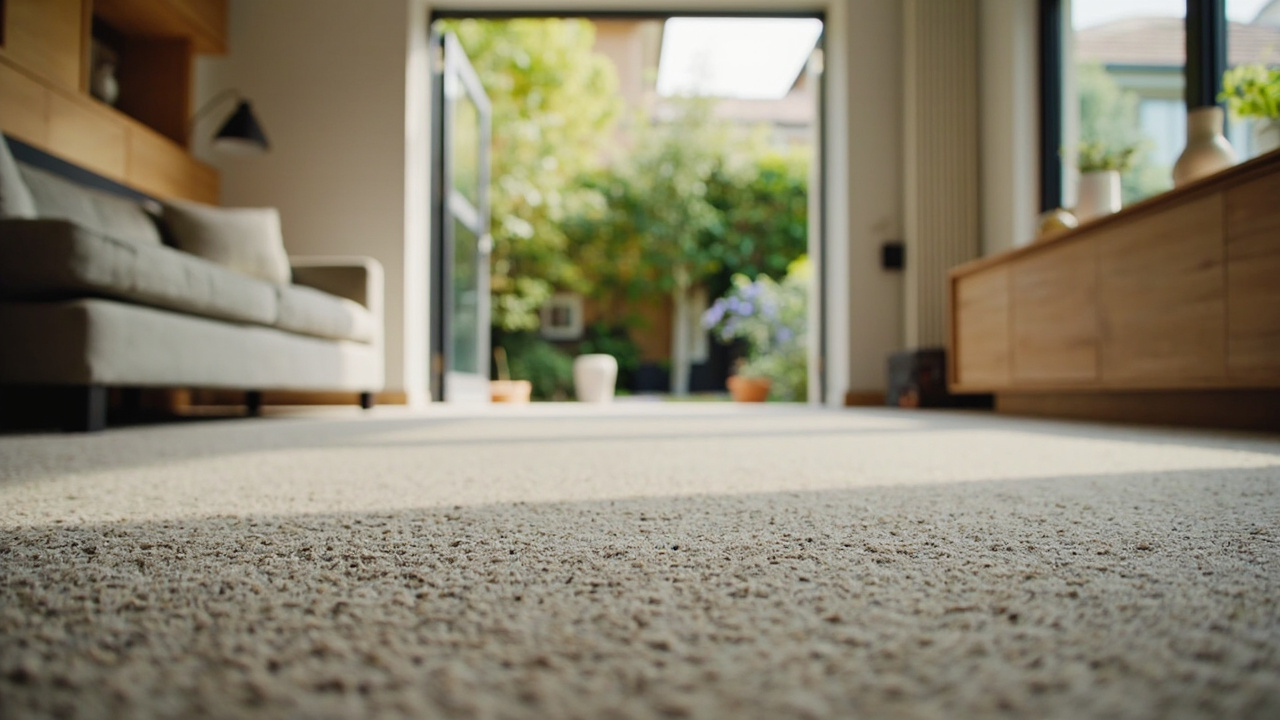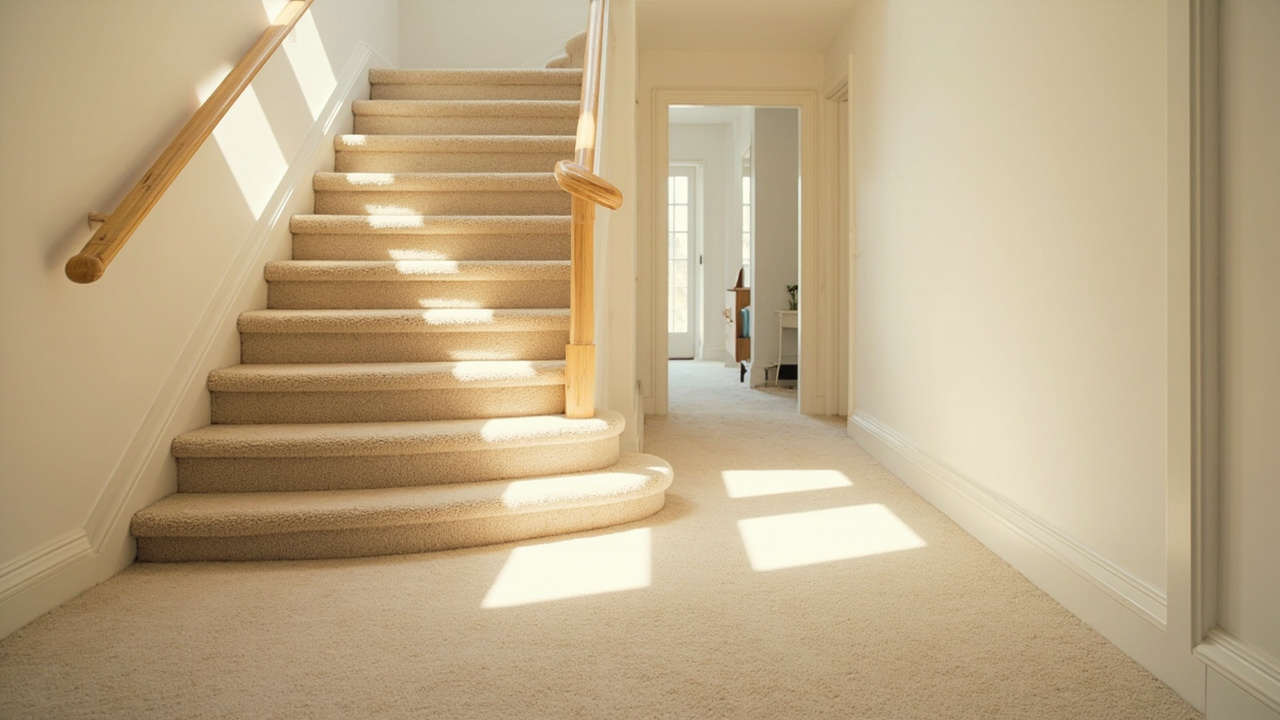
A coastal palette does not have to mean choosing the palest carpet. Light sandy shades can create an airy feel, but grit and footprints may be easier to notice on a very plain, uniform surface. Mid-tone neutrals, subtle flecks or tone-on-tone texture can keep the room relaxed while disguising everyday sand and traffic more effectively. Textured loop or woven constructions can add a natural look and break up the appearance of small marks; a plush, smooth pile may feel softer but can show footprints or pile shading more clearly. Colour is only part of the decision: regular vacuuming and entry mats help limit sand, and the carpet still needs to suit how the room is used. If the room gets strong sunlight, ask about the particular fibre and colour’s suitability rather than assuming every carpet will perform alike. Compare sizeable samples against your flooring, walls and furnishings in both daylight and evening light. Check the sample after walking on it and viewing it from different angles, then confirm care requirements and current colour options before deciding.
You Asked — We Answered
How should I balance carpet colour and texture if I want a coastal look but need to hide sand?
Useful next steps
Use this answer as a practical starting point. Current prices, stock, showroom details, product availability and installation timing should be confirmed directly with BCC where they affect a decision.
Visual Context
Carpet images connected to this answer
Natural BCC photography and selected carpet-topic visuals are mixed here to give the question useful visual context.
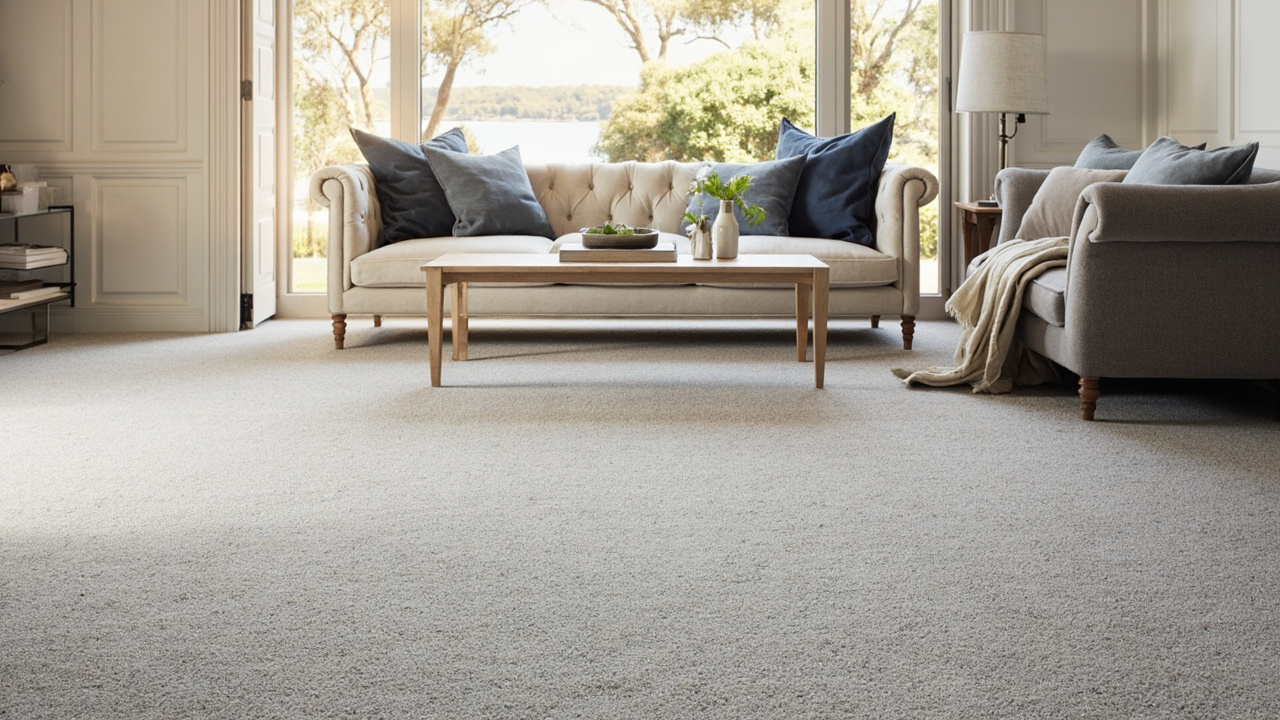 Grey Neutral Hamptons
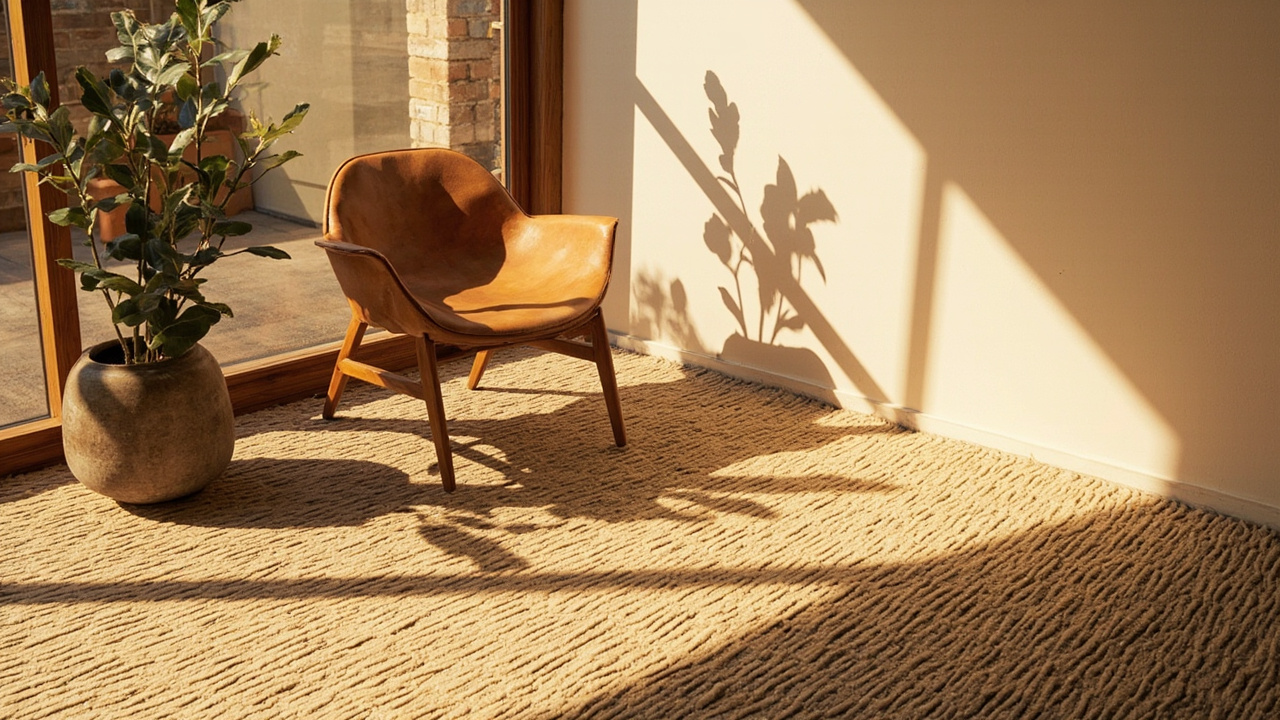 Natural Sisal Look
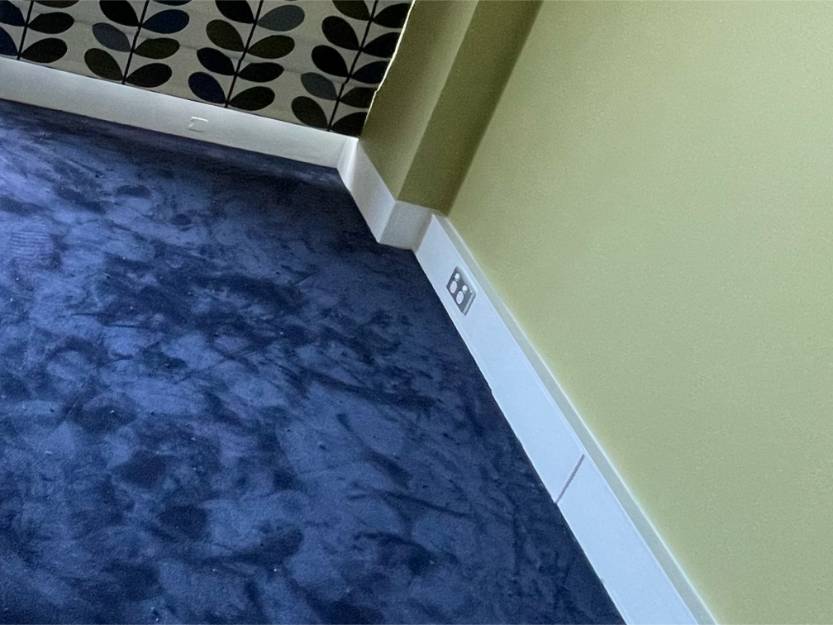 installation
Blue carpet floor installation close-up
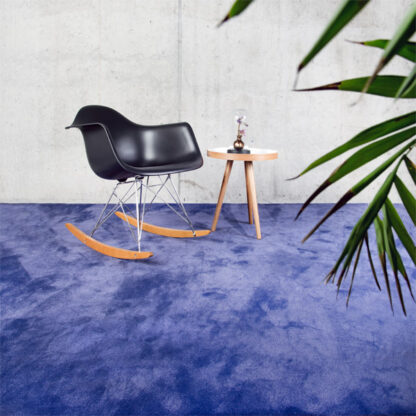 interior
Blue plush carpet with modern chair
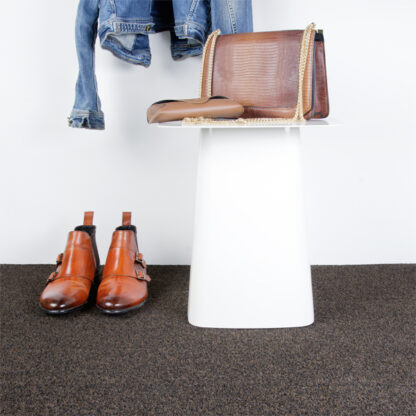 sample
Brown textured carpet flooring sample
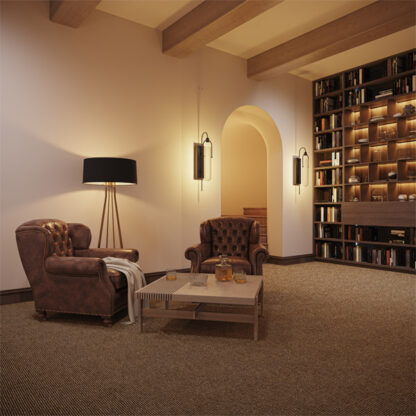 living room
Carpeted lounge with classic leather chairs
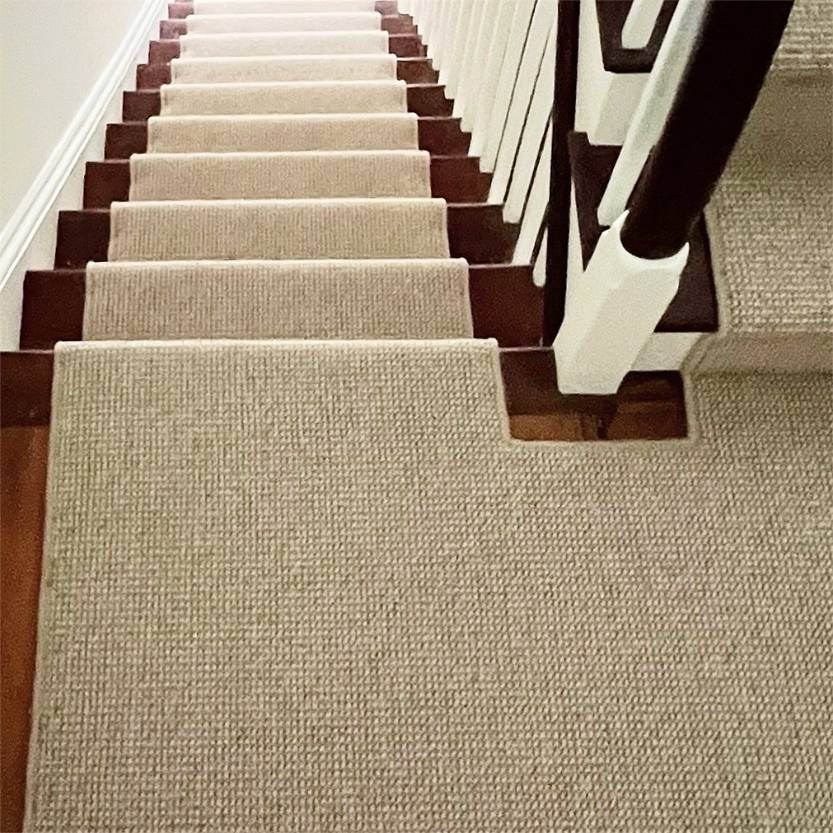 staircase
Carpeted staircase installation with natural fibres
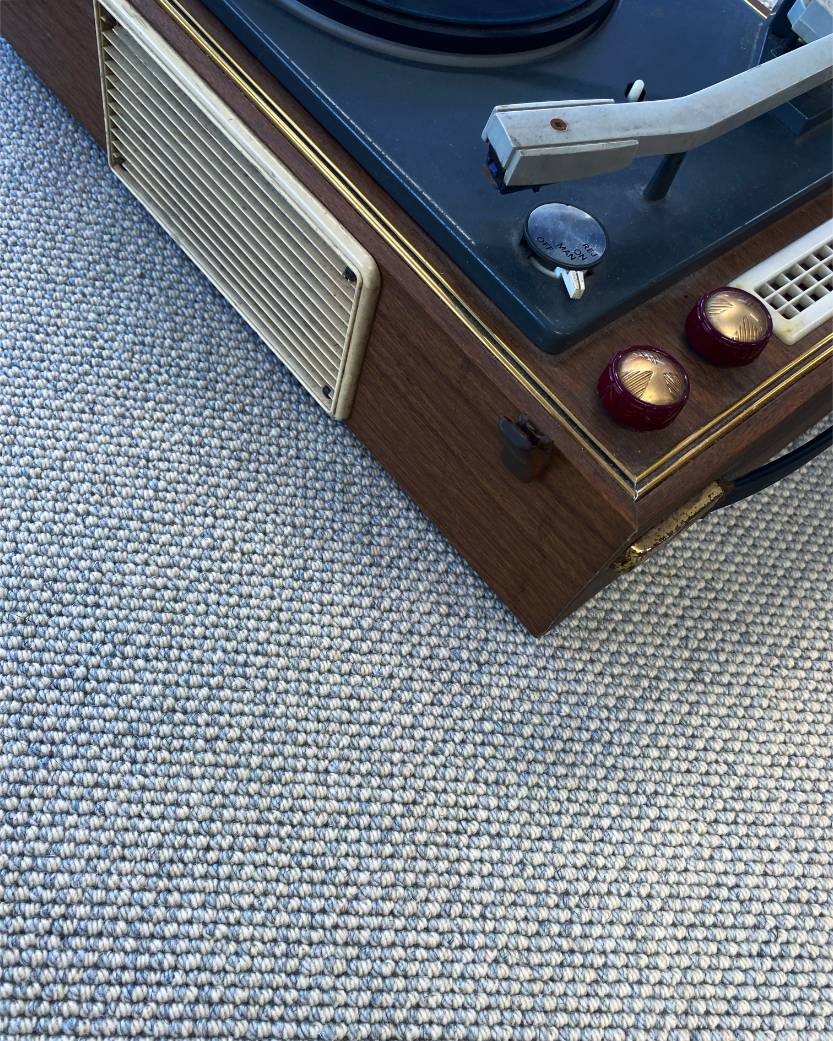 texture
Textured carpet floor finish close-up
Related Topics
Continue Through Related Topic Pages
Explore more topic pages connected to this answer.