
A stair runner needs to be measured for the actual staircase, including its width, the depth and height of each step, and any turns or landings. Curved or narrow stairs can usually be considered in a bespoke layout, but the fitting approach depends on the staircase shape and the carpet construction. Planning should also account for the runner’s width, edge finish, pattern direction and where any joins may fall. A secure fixing method and suitable underlay matter because stairs are a high-use surface; the runner should not shift or create loose edges. Before settling on a design, note whether the staircase is straight, curved or includes a landing, and take clear photos or arrange a professional measure. Discuss the material and edge finish alongside the layout so the result is both practical and visually balanced. Exact options, fitting arrangements and costs need to be confirmed for the specific staircase. A specialist measure is the sensible next step, particularly where the stairs curve or the pattern needs careful alignment.
You Asked — We Answered
How is a custom stair runner measured and fitted around turns or landings?


Useful next steps
Use this answer as a practical starting point. Current prices, stock, showroom details, product availability and installation timing should be confirmed directly with BCC where they affect a decision.
Visual Context
Carpet images connected to this answer
Natural BCC photography and selected carpet-topic visuals are mixed here to give the question useful visual context.
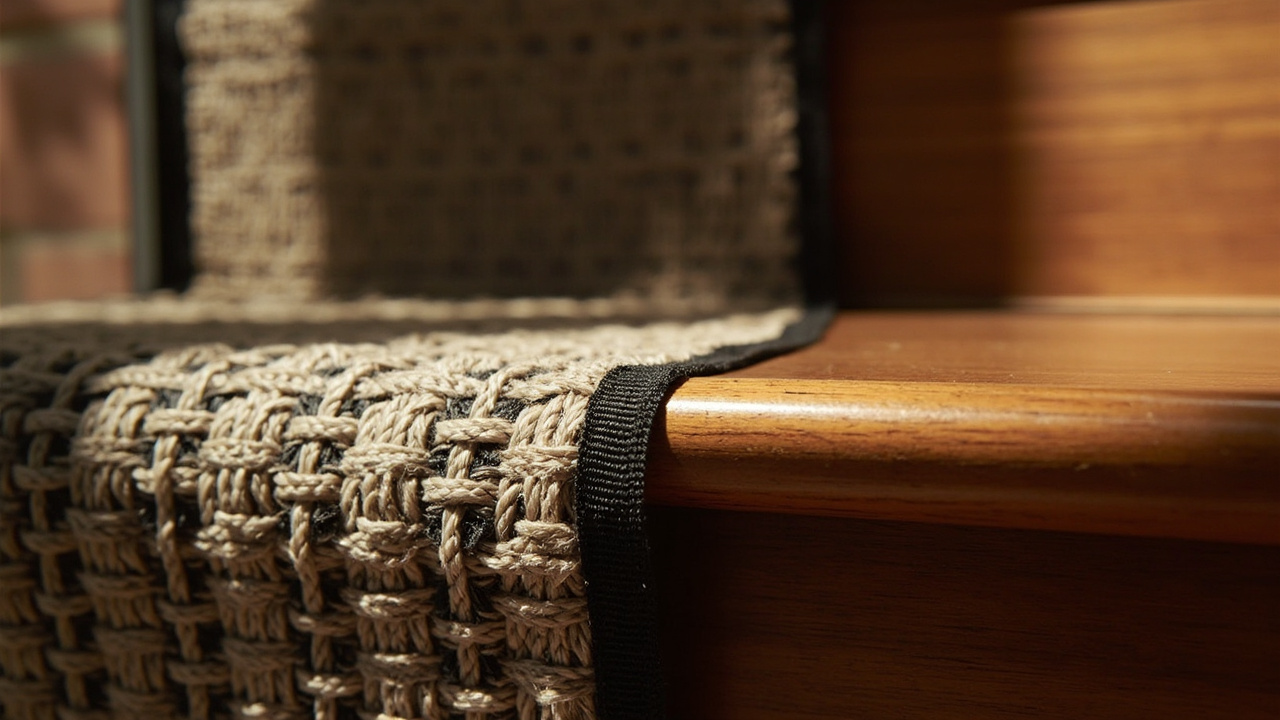 Custom Runner Craftsmanship
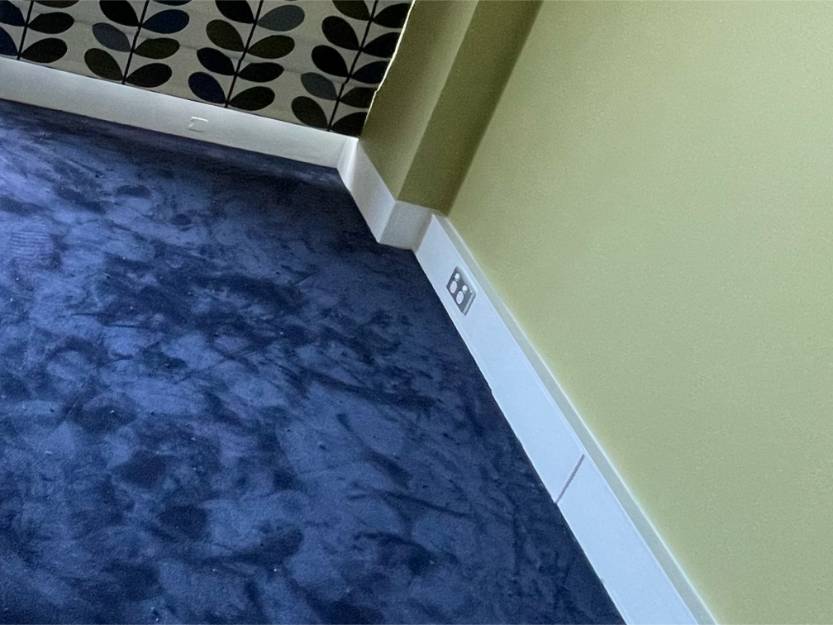 installation
Blue carpet floor installation close-up
 interior
Blue plush carpet with modern chair
 sample
Brown textured carpet flooring sample
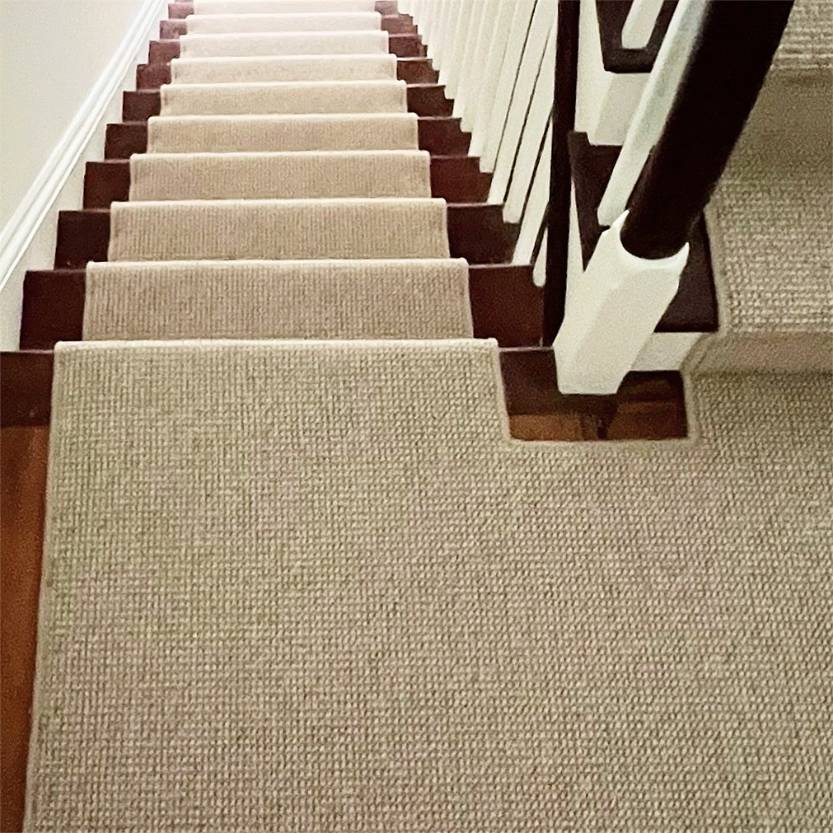 stair runner
Carpeted stair runner with wooden rails
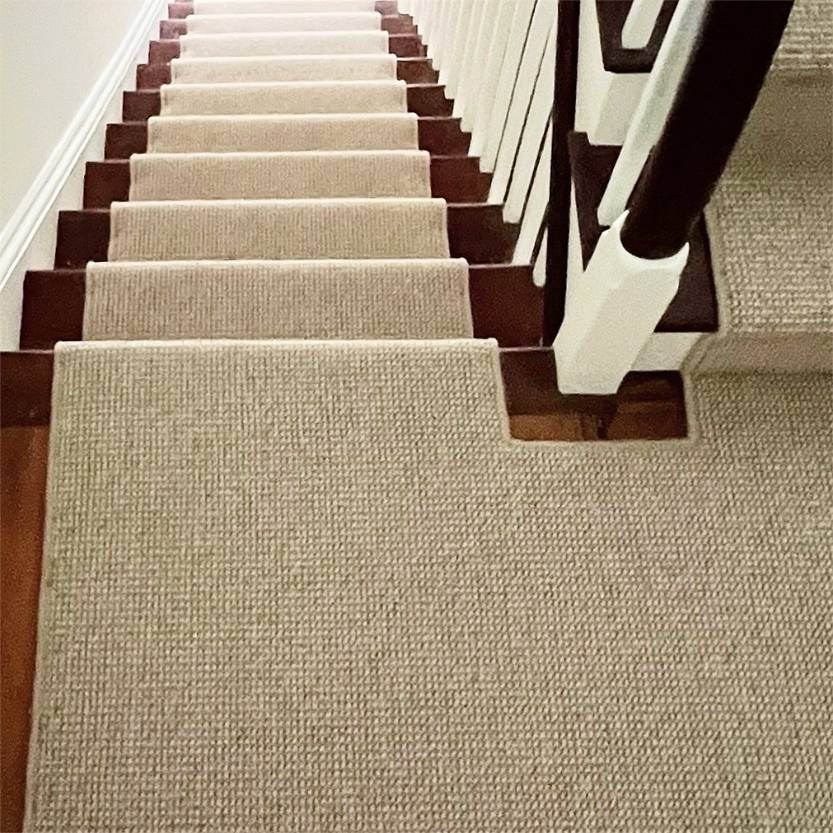 staircase
Carpeted staircase installation with natural fibres
 green stair runner
Green carpet stair runner installation close-up
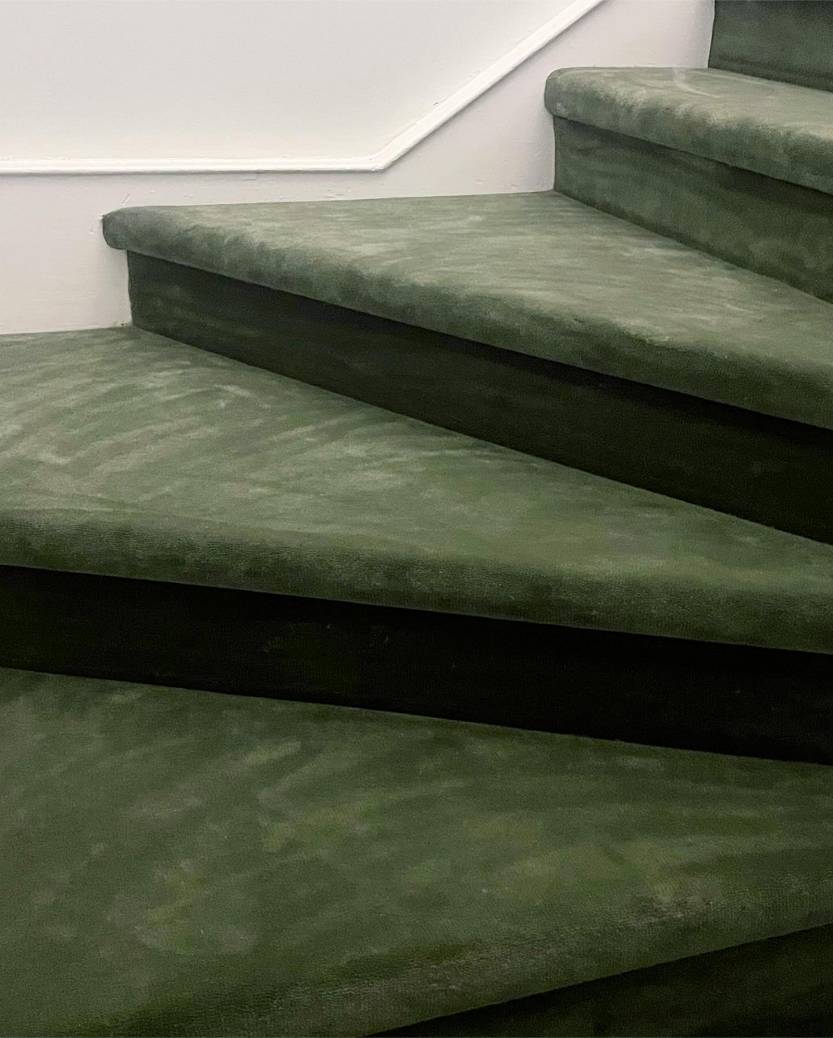 green turning stairs
Green carpet fitted around turning stairs
Related Topics
Continue Through Related Topic Pages
Explore more topic pages connected to this answer.