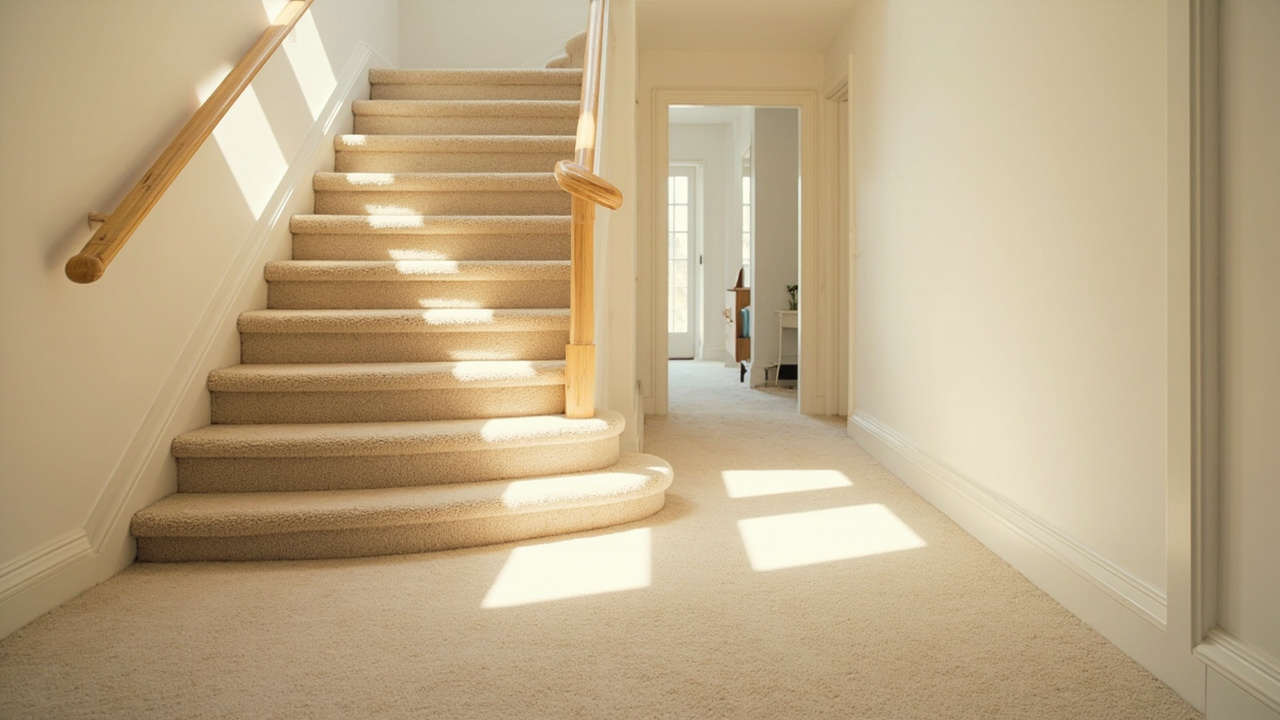

There isn’t one underlay thickness or density that suits every carpet. The right match depends on the carpet’s construction, the room’s use and the floor beneath it. A thicker underlay can add cushioning, but thickness alone does not determine performance: a suitable density and compatibility with the carpet also matter. In busy areas, an underlay that is too soft or poorly matched may affect how the carpet feels and wears, while the right choice can support comfort, stability and sound absorption. For noise reduction, acoustic underlay is designed to dampen vibrations; high-density foam can also provide sound absorption and comfortable underfoot performance in many homes. These are options to compare rather than a universal ranking. If the carpet is for stairs, a high-traffic room or a timber subfloor, mention that when seeking advice, as room conditions can affect suitability. Before choosing, check the underlay’s material, thickness and density against the carpet manufacturer’s requirements and ask what is appropriate for the specific floor. That is more reliable than selecting the thickest option by default.