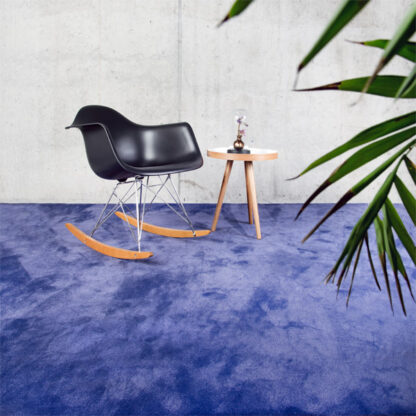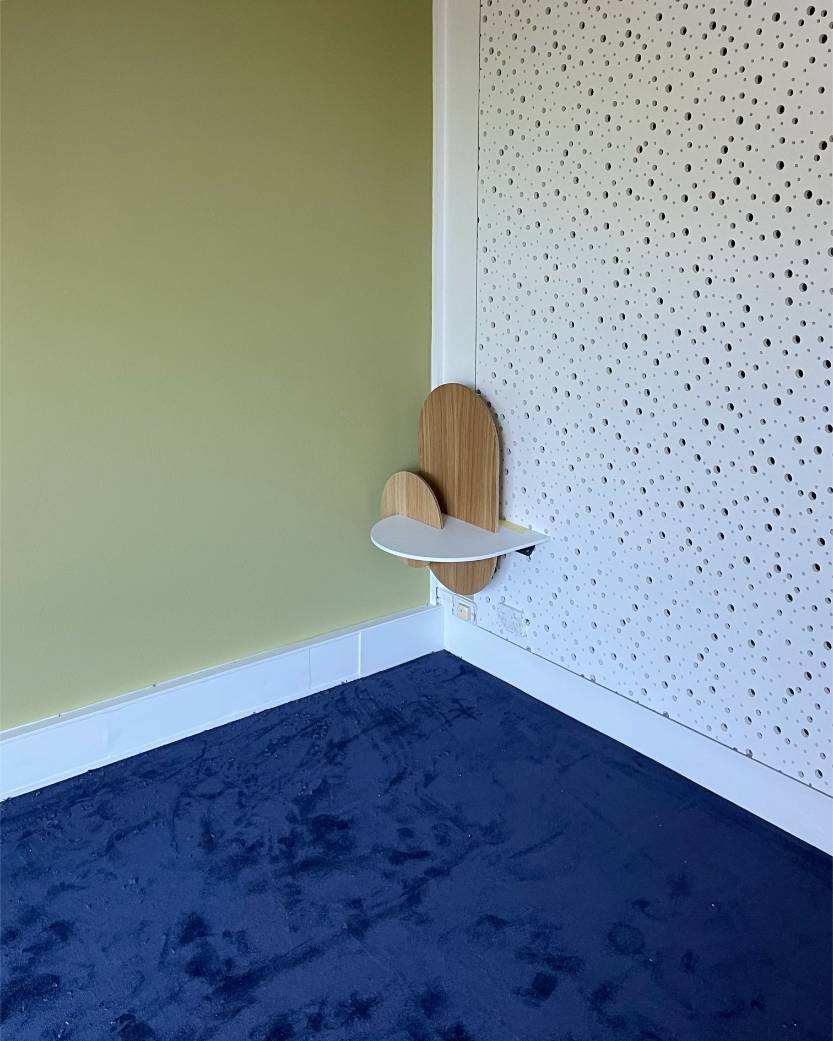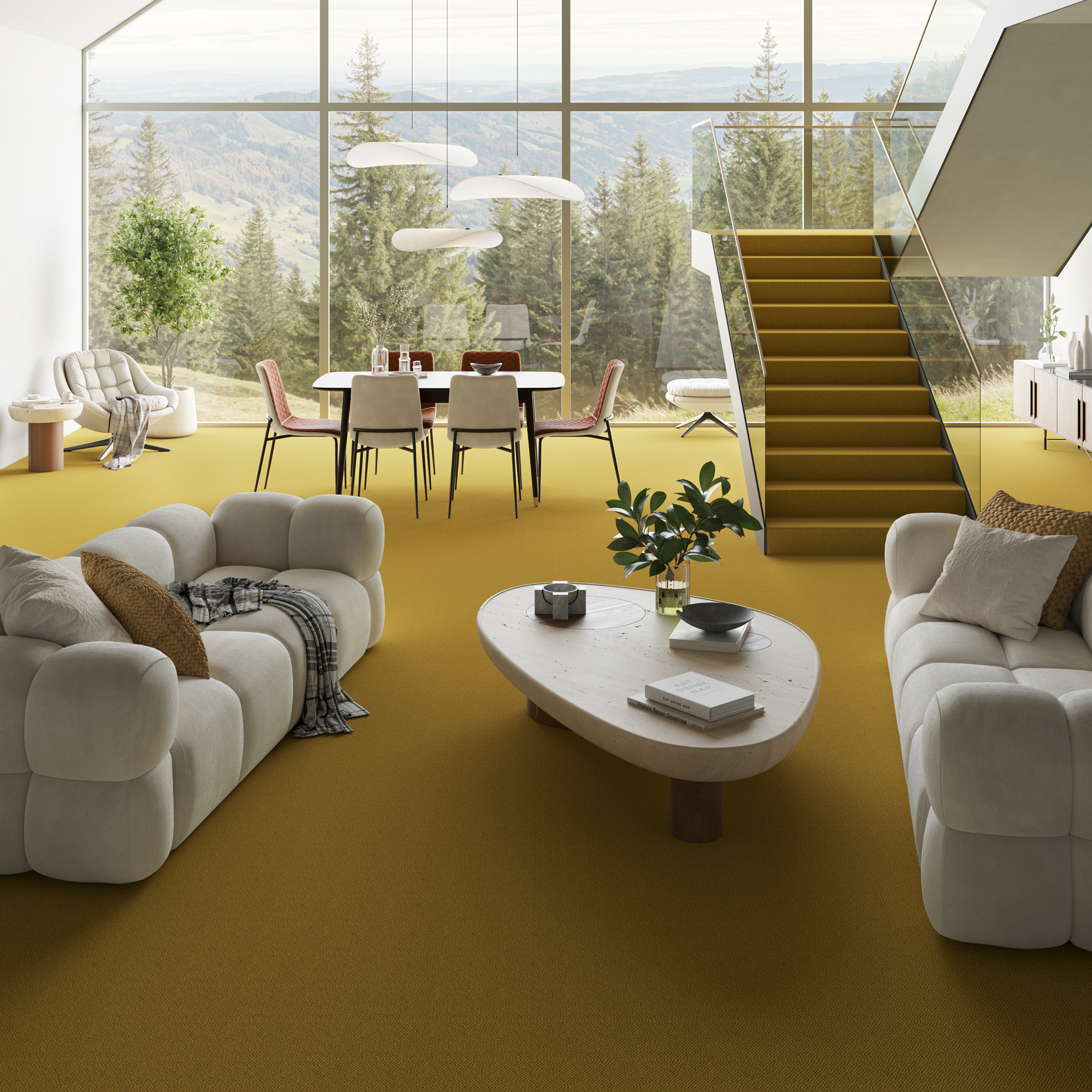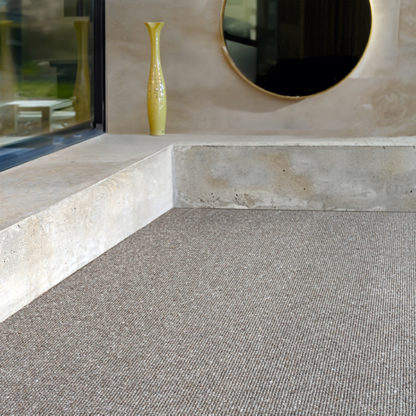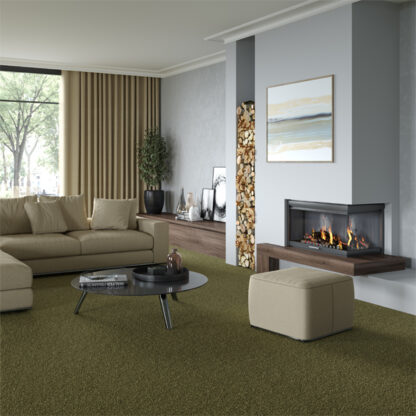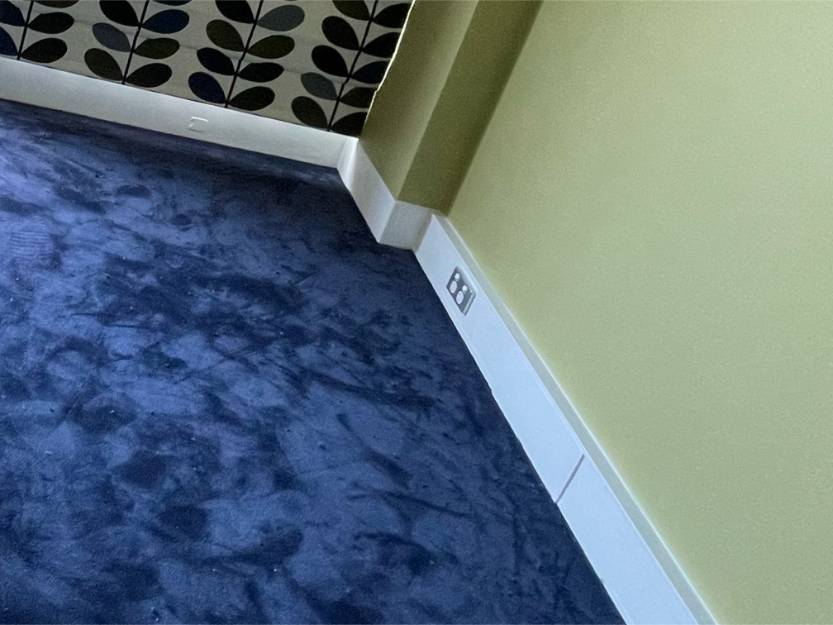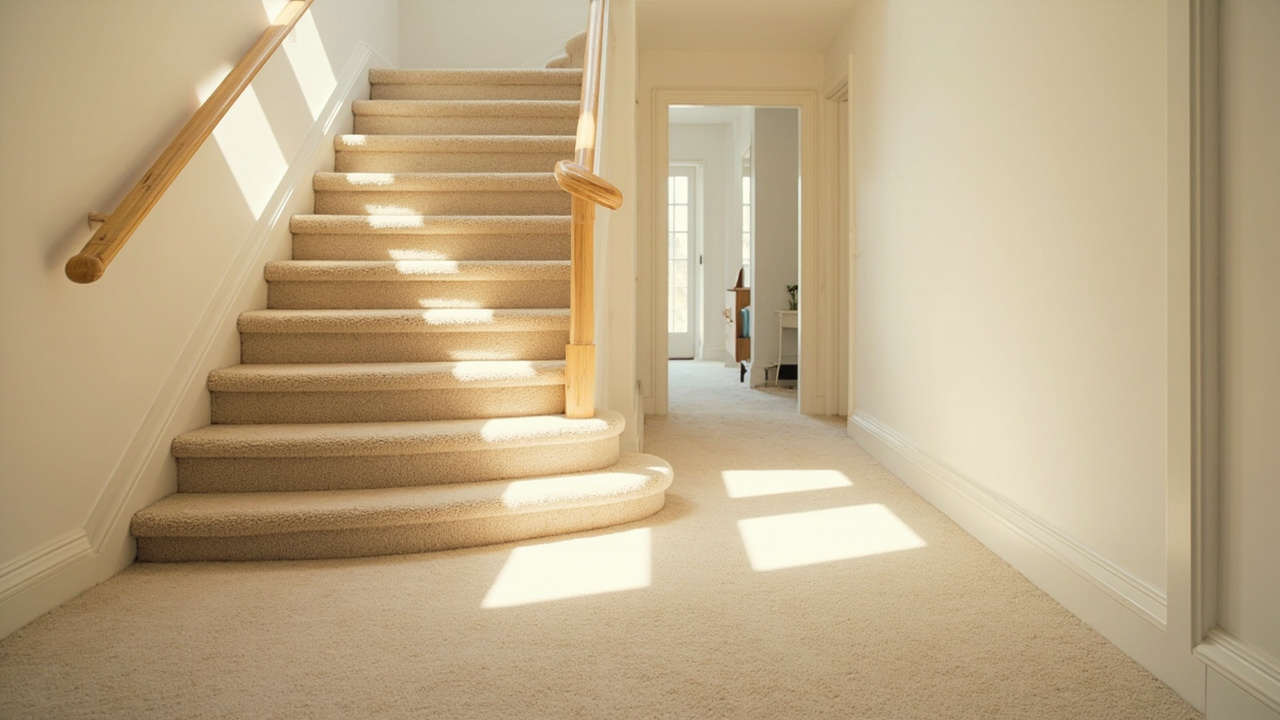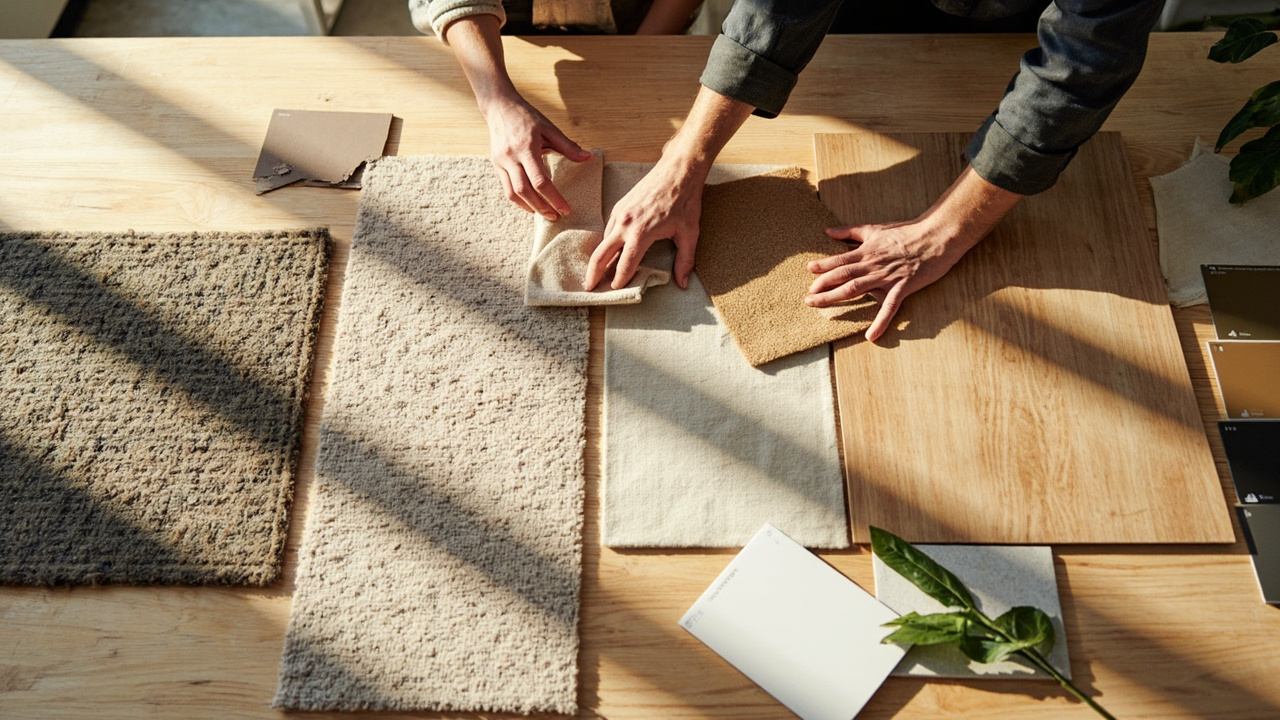
Look at the carpet pattern alongside the room’s largest visual elements, especially sofas, curtains, wall colour and any prominent rugs. If the furniture already has strong prints or contrasting colours, a subtle tonal repeat or textured pattern is often easier to coordinate. Where the furnishings are mostly plain, a bolder motif can provide interest without competing with other patterns. Scale matters as well as colour. A large repeat can read clearly in a spacious room but may feel busy in a compact area; a small, low-contrast repeat is usually quieter from a distance. Check the sample both close up and from across the room, because pattern and colour can appear different at different viewing distances. Lighting also changes how colours are perceived, so view the sample in the room during daytime and evening if possible. A practical way to narrow the choice is to bring photos of the room and, if convenient, fabric or paint samples when comparing carpet. Lay a carpet sample beside the main furnishings rather than judging it on its own. Current patterns and colours vary, so confirm which options are available before making a final selection.