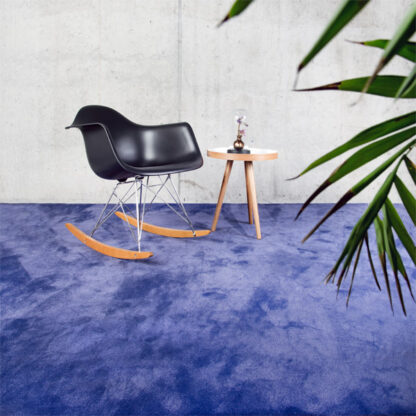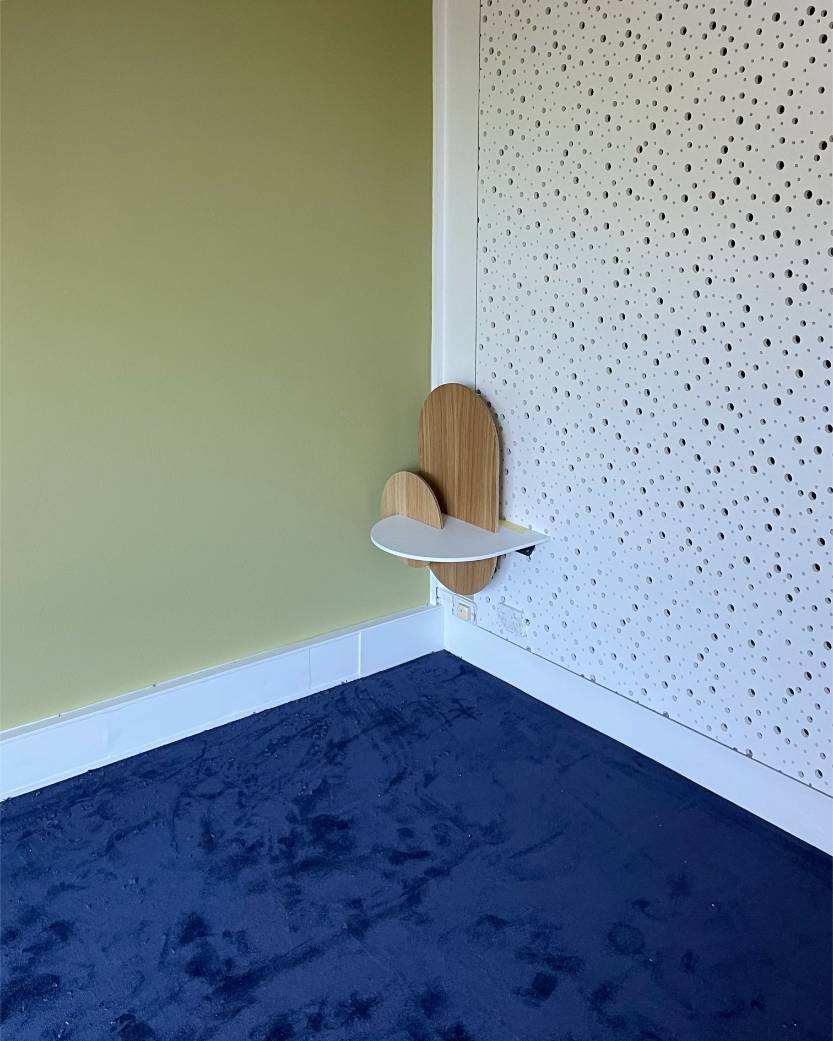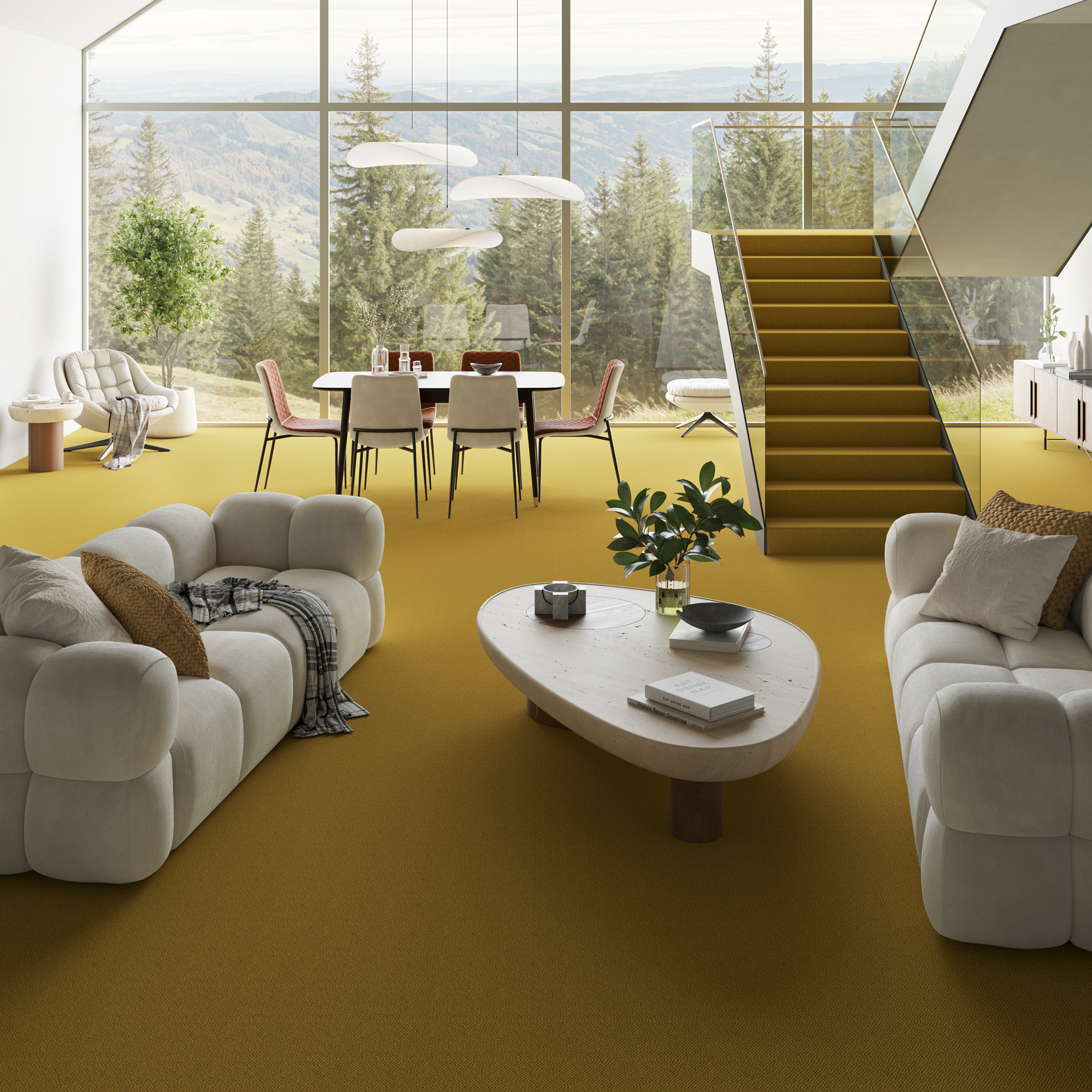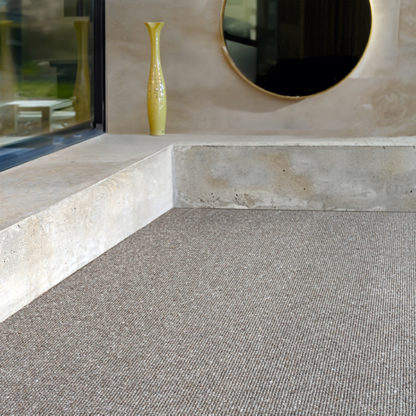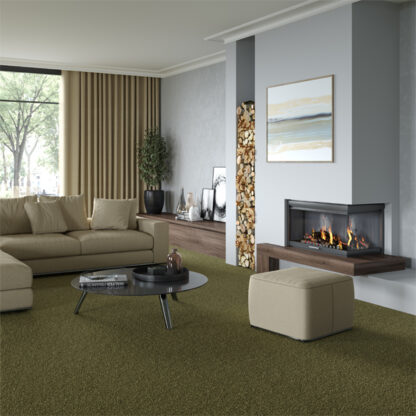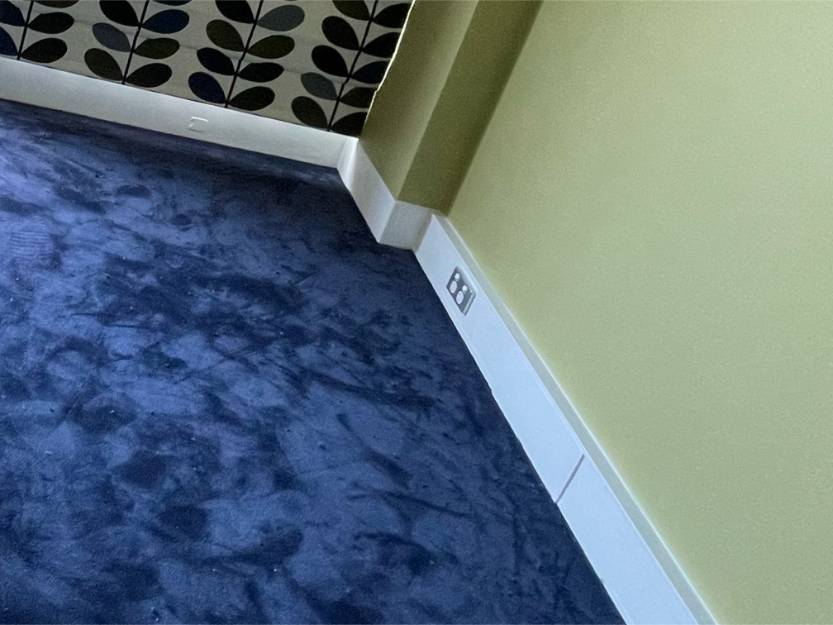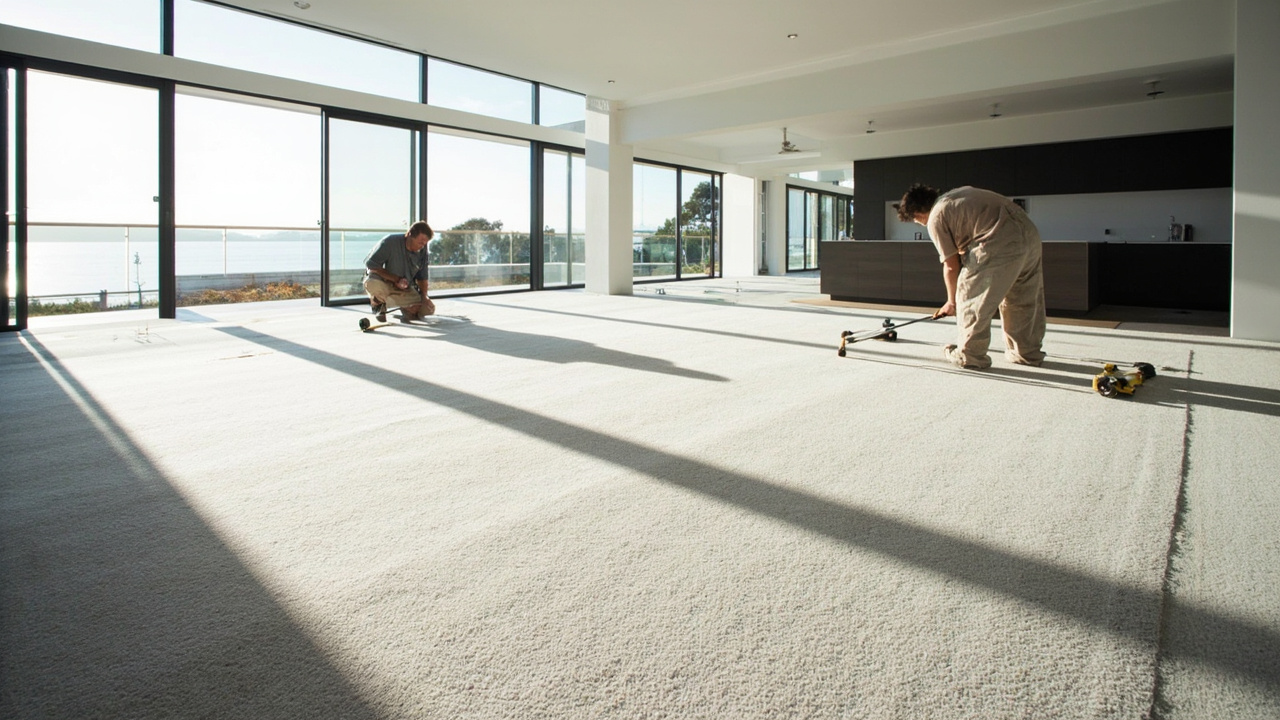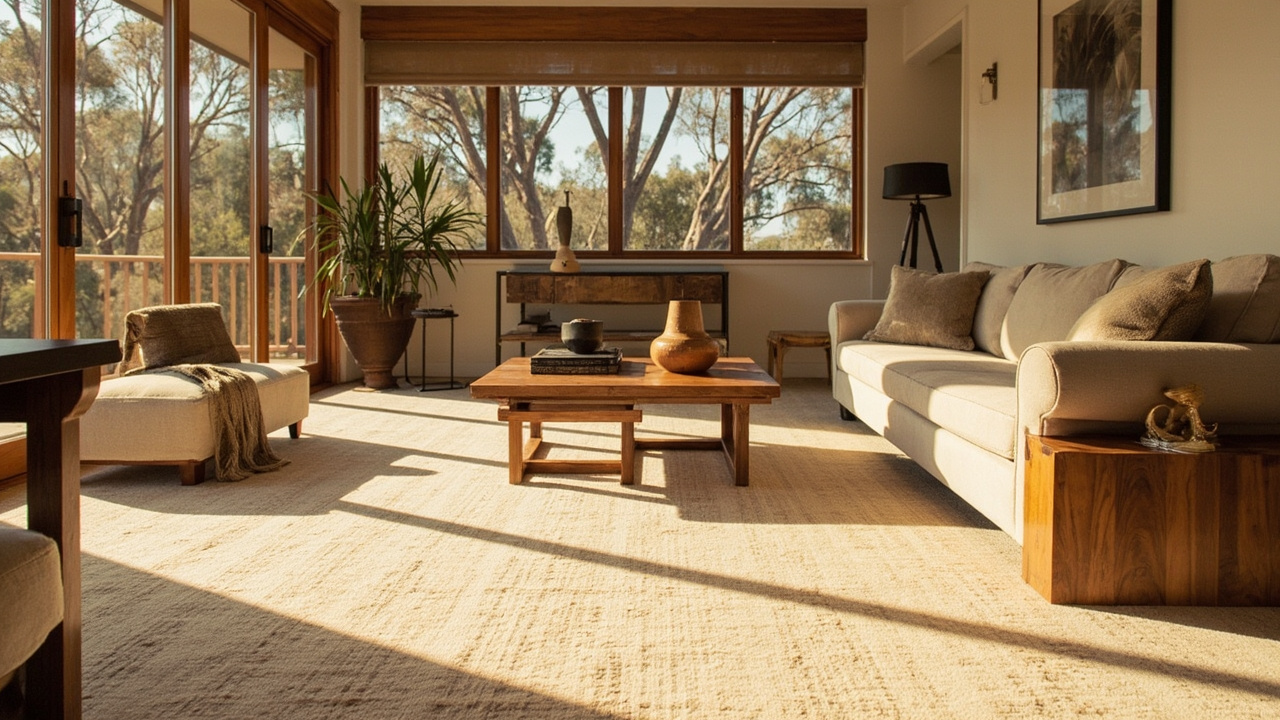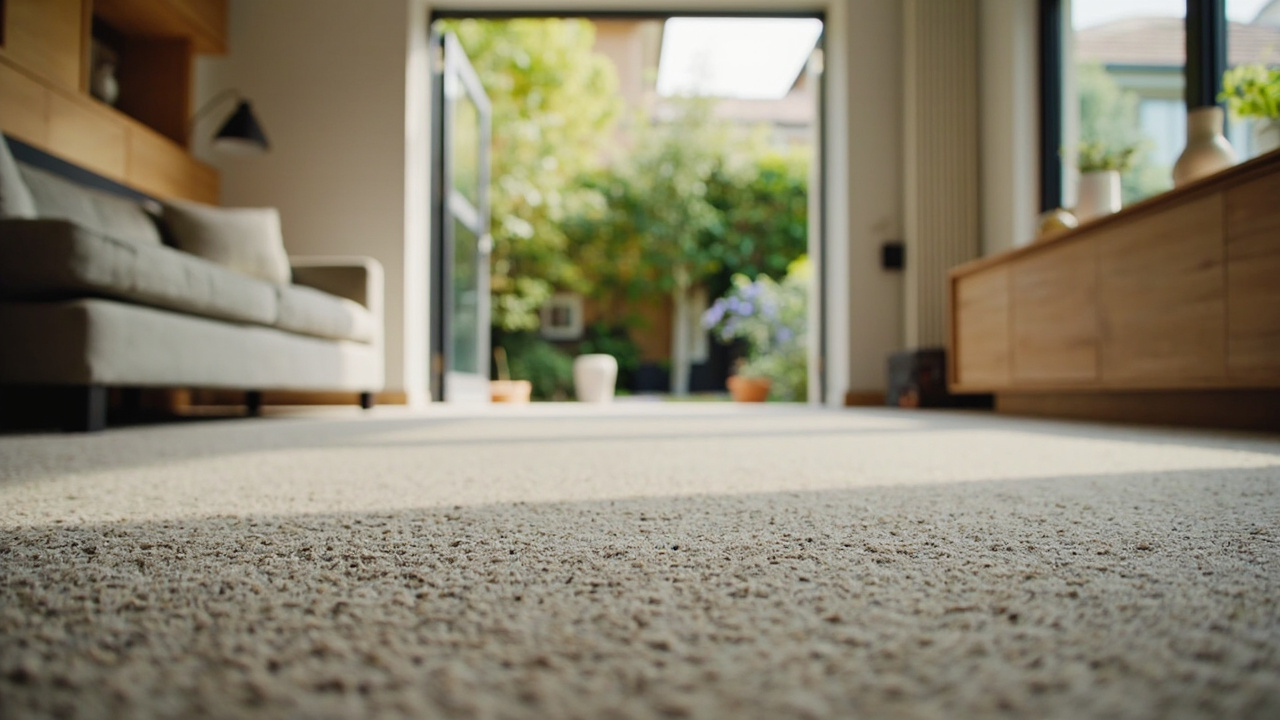
Look at the pattern alongside the room’s fixed features, not just the current furniture arrangement. Wall colour, curtains, timber or tile transitions, and the amount of natural light can all affect whether a design feels balanced. A restrained tonal pattern is generally easier to coordinate with changing furnishings than a strong, high-contrast motif, while a bold design can work well if you want the floor to remain a feature. Scale matters too: a large repeat may feel more at home in a spacious room, whereas a smaller repeat can be easier to use in a compact space. Before deciding, check a physical sample in the room at different times of day and view it both close up and from the doorway. Photos can give an initial impression, but they may not show the true colour or how a repeated pattern reads across a larger floor. If you expect to change furniture, favour colours and motifs that complement more than one palette, and confirm current sample options before committing.