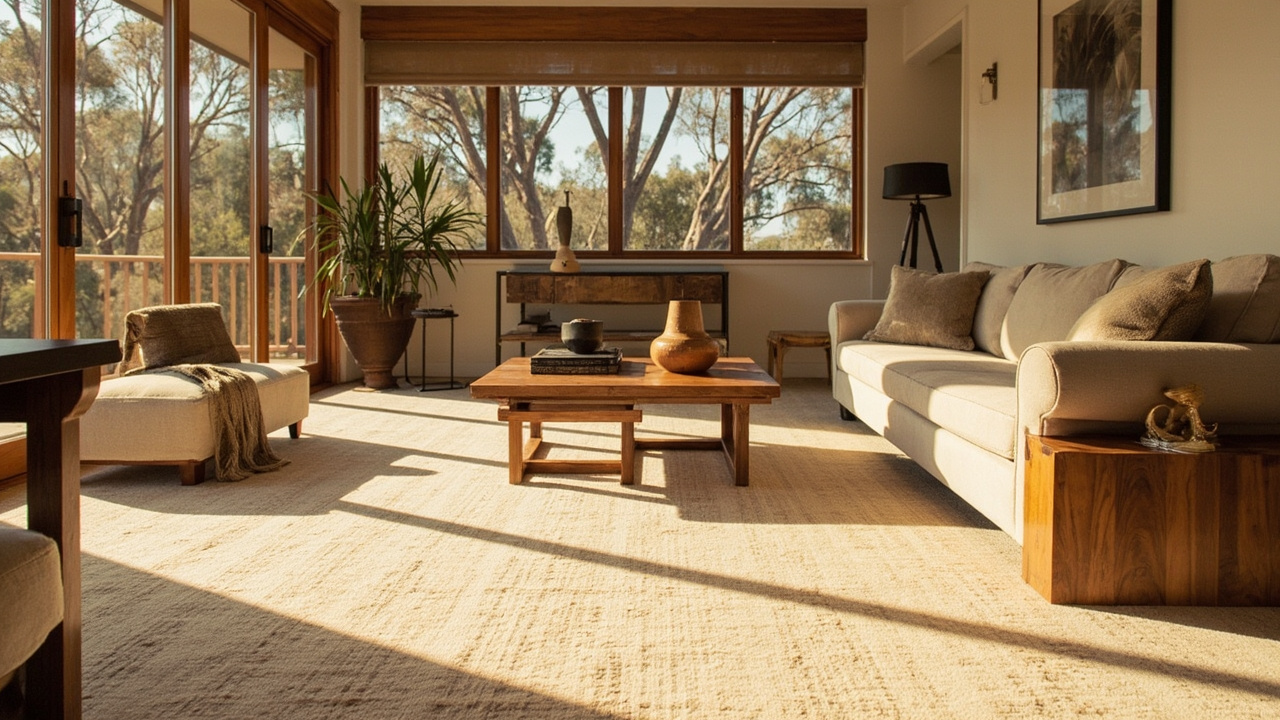
If you expect to update furniture or soft furnishings, consider a pattern with colours and contrast that can accommodate more than one scheme. A subtle tonal repeat or textured pattern is generally easier to coordinate than a strong motif tied to a single palette; a bold pattern can still work well if you are happy for the carpet to set the room’s direction. Think about the room’s size, natural light and existing fixed finishes, such as timber, tiles or cabinetry. Pattern scale also affects the impression: larger motifs tend to need more visual space, while smaller repeats can suit compact rooms. Bring photos or colour samples of key furnishings when comparing carpet, and view a sample in the room at different times of day. Pattern appearance can vary with lighting and the amount of carpet visible, so avoid choosing from a small photograph alone. Current patterns and samples vary by range; check what is available before making a final decision.
You Asked — We Answered
How can I choose a patterned carpet that will still work if I change my furniture later?
Useful next steps
Use this answer as a practical starting point. Current prices, stock, showroom details, product availability and installation timing should be confirmed directly with BCC where they affect a decision.
Visual Context
Carpet images connected to this answer
Natural BCC photography and selected carpet-topic visuals are mixed here to give the question useful visual context.
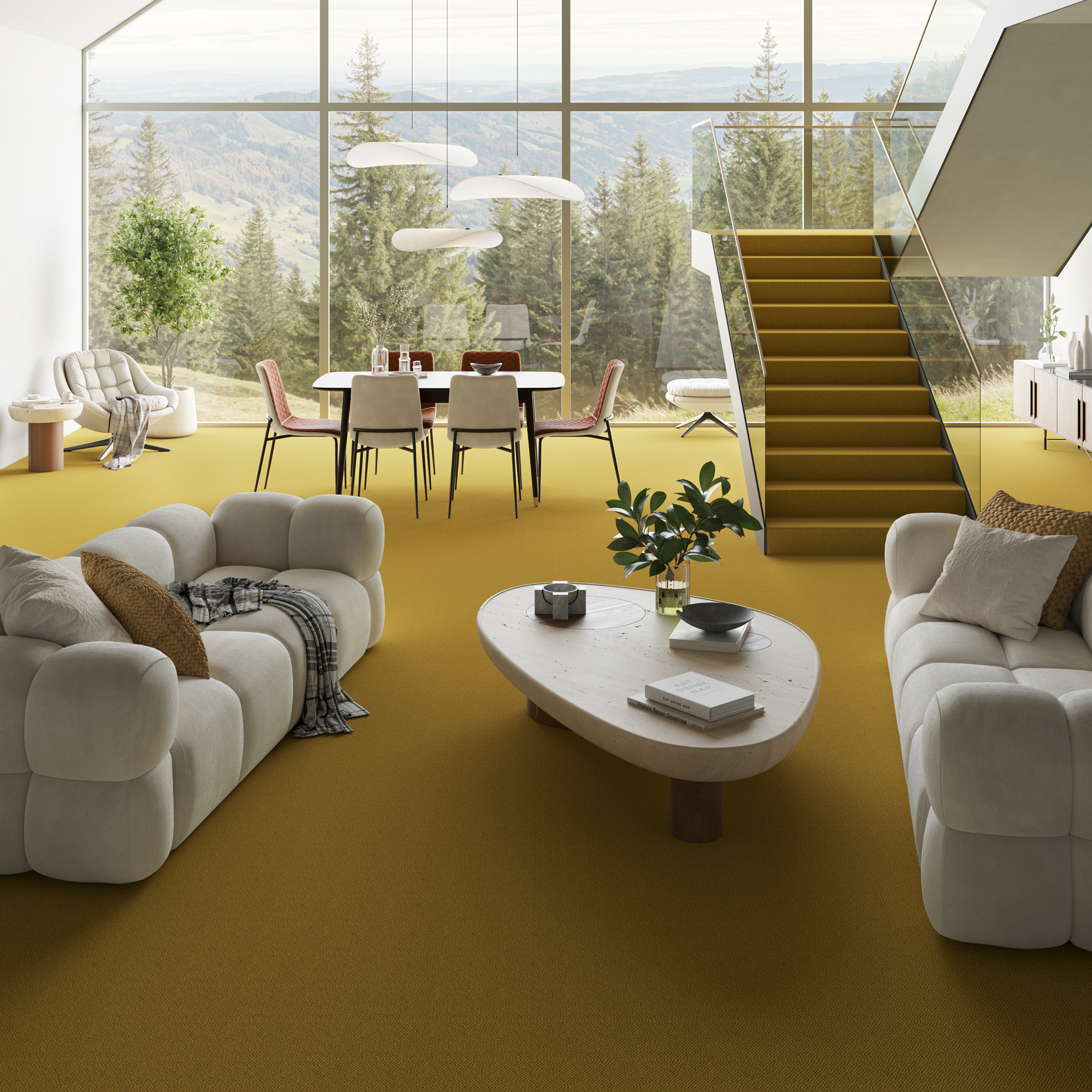 yellow living-room carpet
Yellow carpet in a modern living room
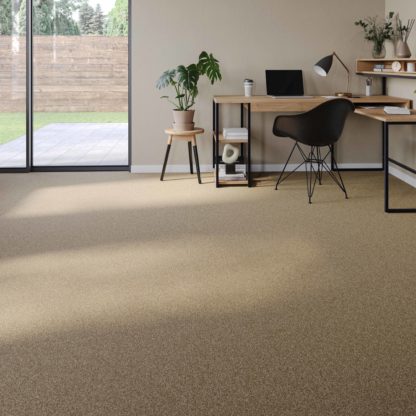 neutral beige carpet
Neutral beige carpet in a modern office
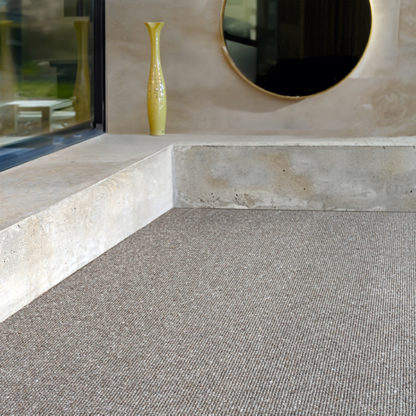 showroom carpet selection
Neutral carpet displayed with timber flooring in a showroom
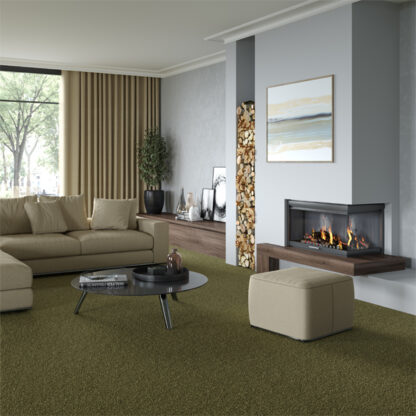 olive green living room
Olive green carpet in a modern living room
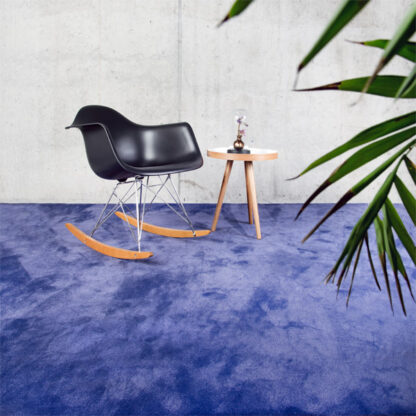
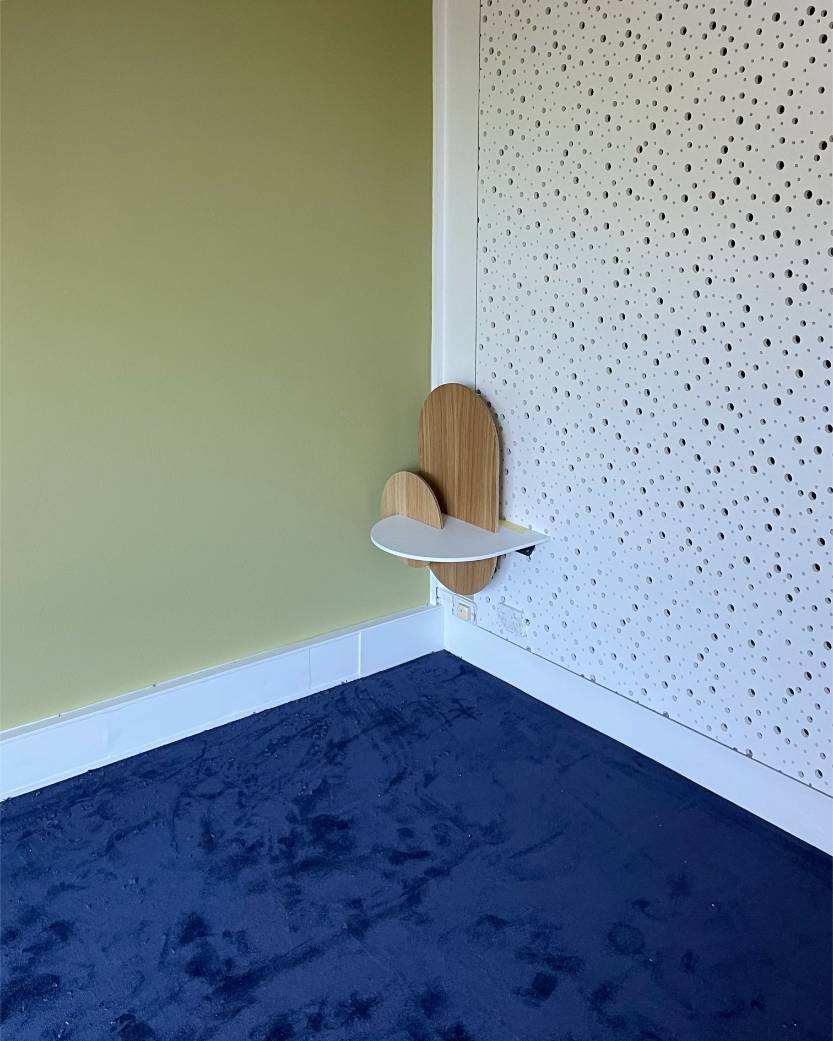
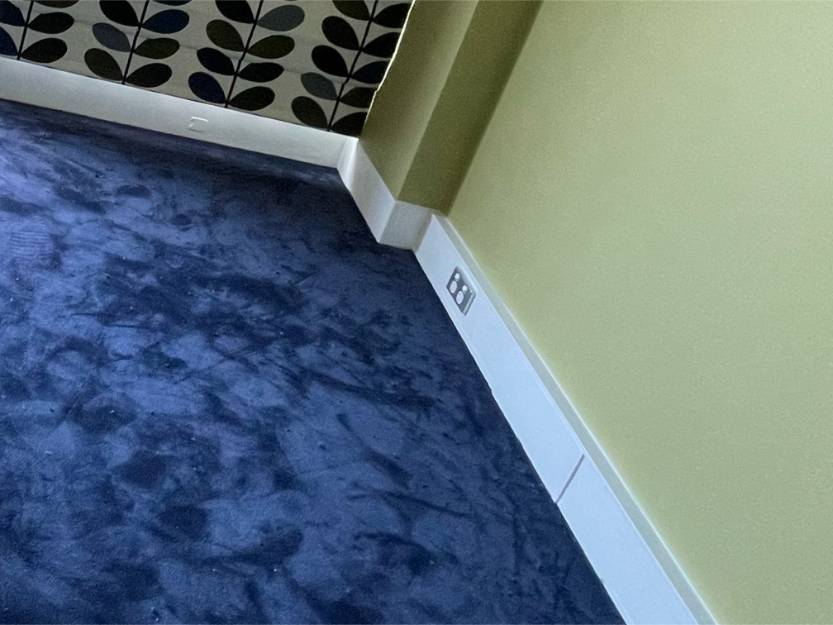 blue carpet room
Blue carpet fitted in a room corner
Related Topics
Continue Through Related Topic Pages
Explore more topic pages connected to this answer.